 Bhutan Travel Specialist, Druk Air Representative (Royal Bhutan Airlines)
Bhutan Travel Specialist, Druk Air Representative (Royal Bhutan Airlines)
Bhutan Travel Specialist, Druk Air Representative (Royal Bhutan Airlines)
Duration: 6 Nights
Highlights: A journey that combines the spiritual essence and natural beauty of Bhutan in an accessible package. This easy trek is designed for those who seek adventure without the rigor of challenging climbs, making it perfect for beginners or those looking for a gentle yet immersive experience in the Bhutanese landscape.
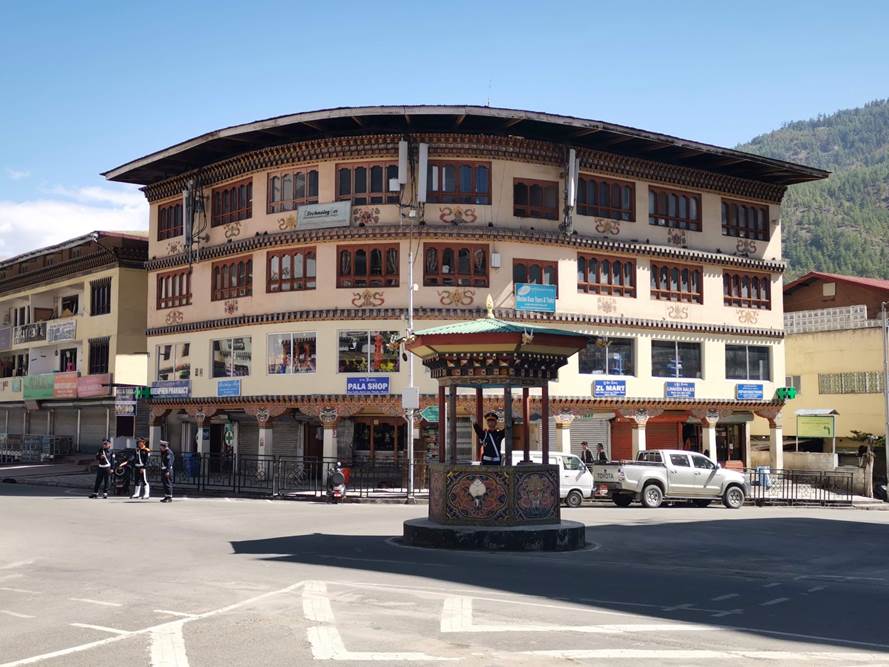
Strolling around Thimphu town offers a delightful blend of tradition and modern life in Bhutan’s capital. Start at Clock Tower Square, the lively heart of the city—adorned with carved wooden façades, prayer wheels, and water fountains—and a charming spot to linger while locals chat or browse the weekend market. From here, wander down Norzin Lam, Thimphu’s main street, where boutique shops, handicraft stores, and cafés invite you in. Along the way, admire traditional architecture—ornate wood carvings, colourful murals, and fluttering prayer flags—woven seamlessly into everyday life.
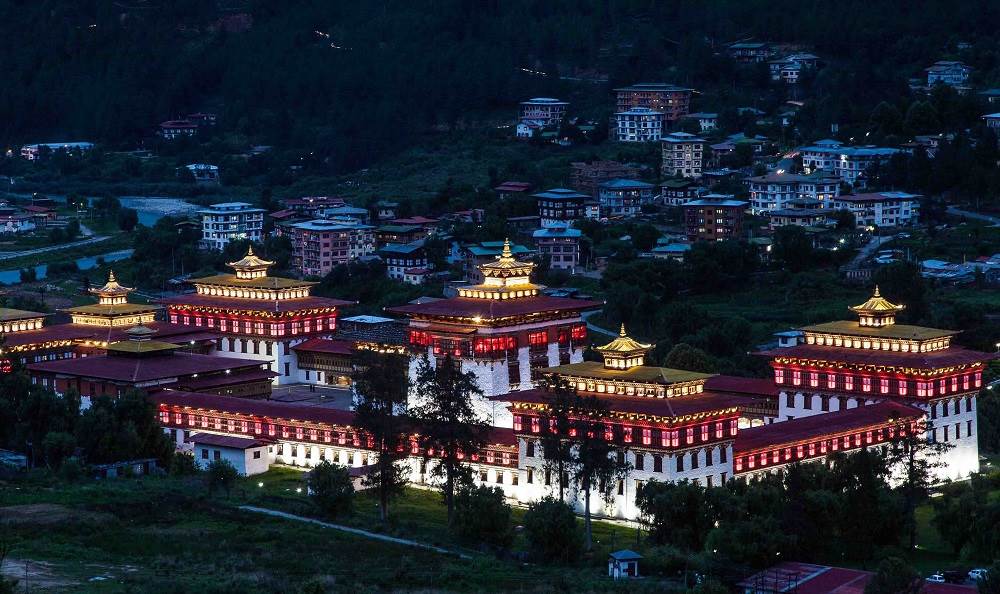
As dusk falls, Tashichho Dzong transforms into a shimmering jewel in the heart of Thimphu. Floodlit in warm amber and red tones, its towering white walls and golden roofs glow against the deepening night sky, creating an almost magical silhouette. The courtyard falls silent after evening prayers, and you're left alone to appreciate the sheer scale and serenity of Bhutan's political and spiritual centre. Many visitors linger past the flag-lowering ceremony just to soak in the twilight atmosphere when the lights first bathe the dzong, making for a photographer’s dream and a heartfelt moment of calm.
Nestled in the charming village of Sopsokha, Chimi Lhakhang—also known as the Fertility Temple—stands atop a gentle hill near Lobesa. Built in 1499 by Ngawang Choegyel, the 14th Drukpa Hierarch, the monastery is dedicated to the revered and unconventional saint, Lama Drukpa Kunley, famously known as the Divine Madman for his unorthodox teachings and eccentric behavior. To reach the temple, enjoy a scenic 30-minute walk through terraced paddy fields and a quaint village path. Pilgrims from all over the world visit Chimi Lhakhang to seek blessings for fertility, and many couples have returned to share stories of their answered prayers. A visit here offers not only cultural insight but also a peaceful connection with Bhutan’s spiritual traditions.
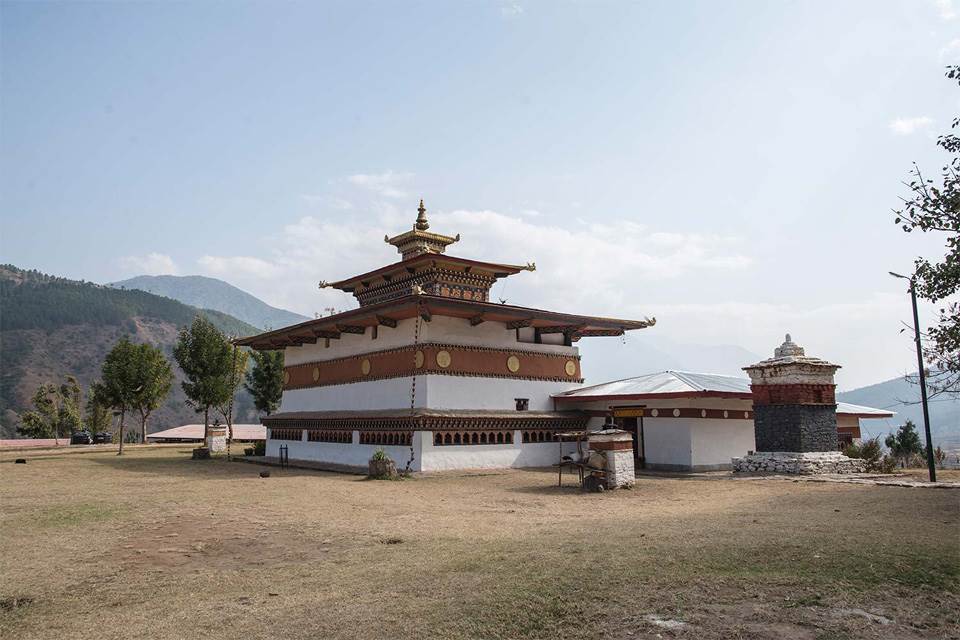
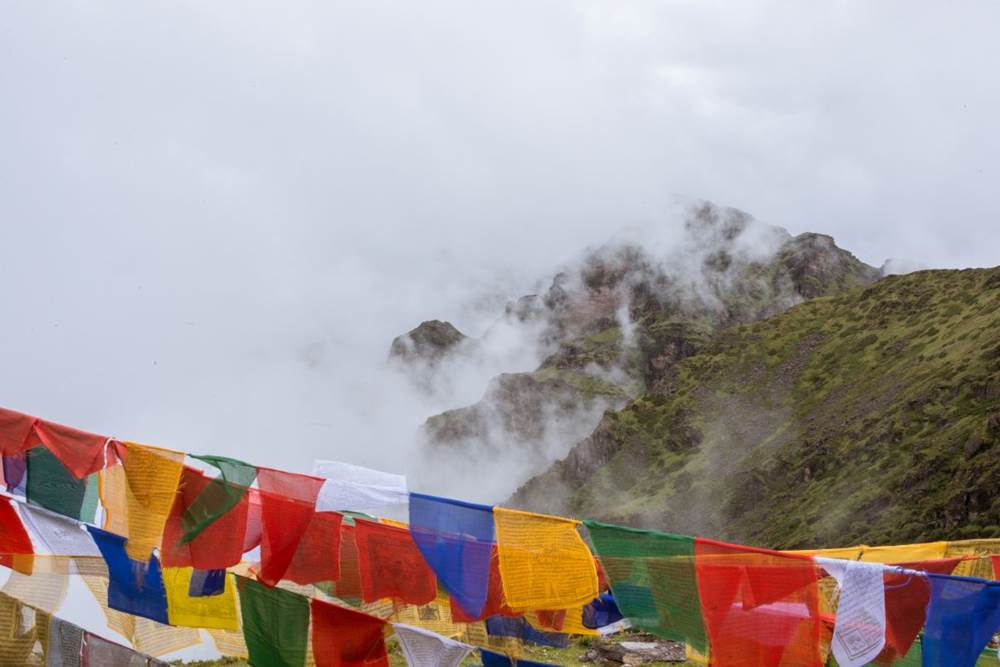
Perched at an altitude of 3,100 metres, Dochula Pass is one of Bhutan’s most serene and awe-inspiring mountain passes. Often cloaked in mist and prayer flags fluttering in the breeze, it’s a place where time seems to slow down. The pass is adorned with 108 memorial chortens, built in honour of Bhutanese soldiers, and offers panoramic views of the snow-capped Himalayan range on clear days. Whether you're pausing for reflection or simply soaking in the stillness, Dochula invites you to breathe deeply, feel the peace, and reconnect with the beauty of the journey.
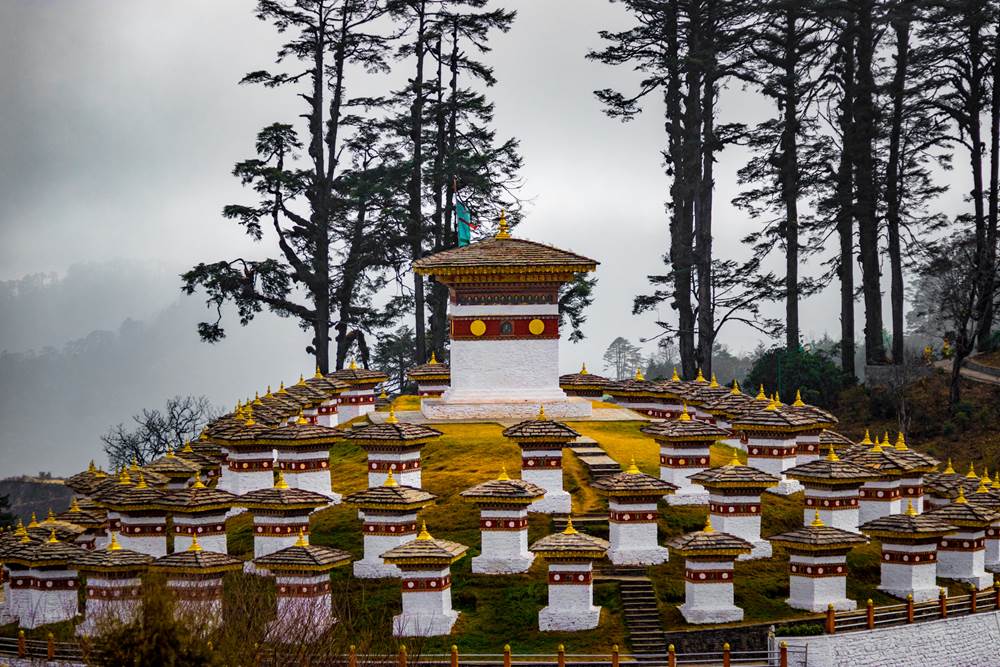
Stretching 160 metres across the Pho Chhu River, this is the longest suspension bridge in Bhutan. From its swaying span, you’ll be treated to breathtaking views of the majestic Punakha Dzong and the lush Pho Chhu Valley—an unforgettable vantage point for photos and quiet reflection.
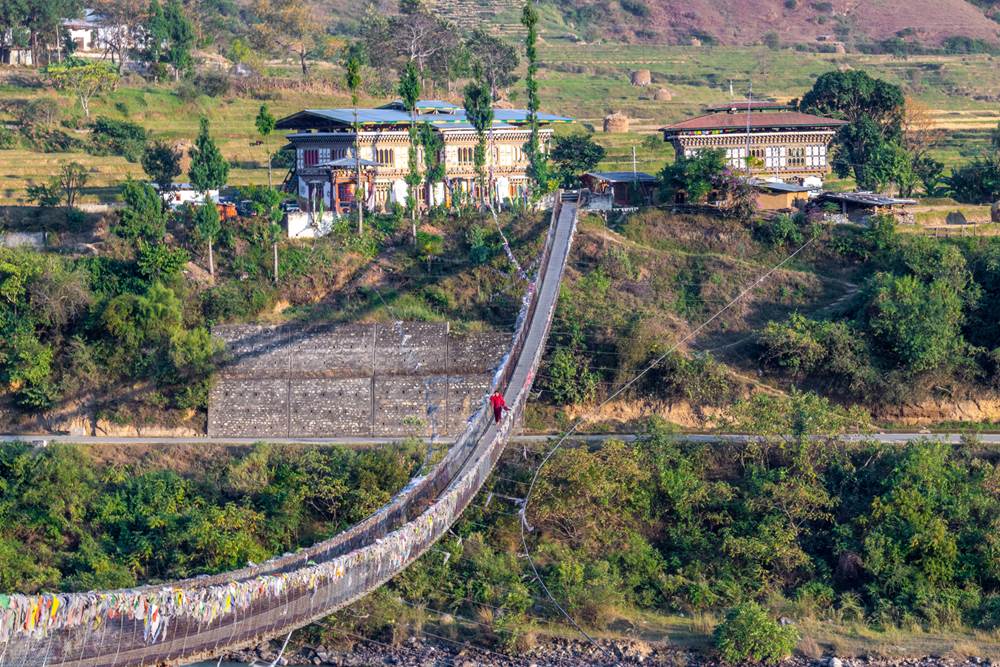
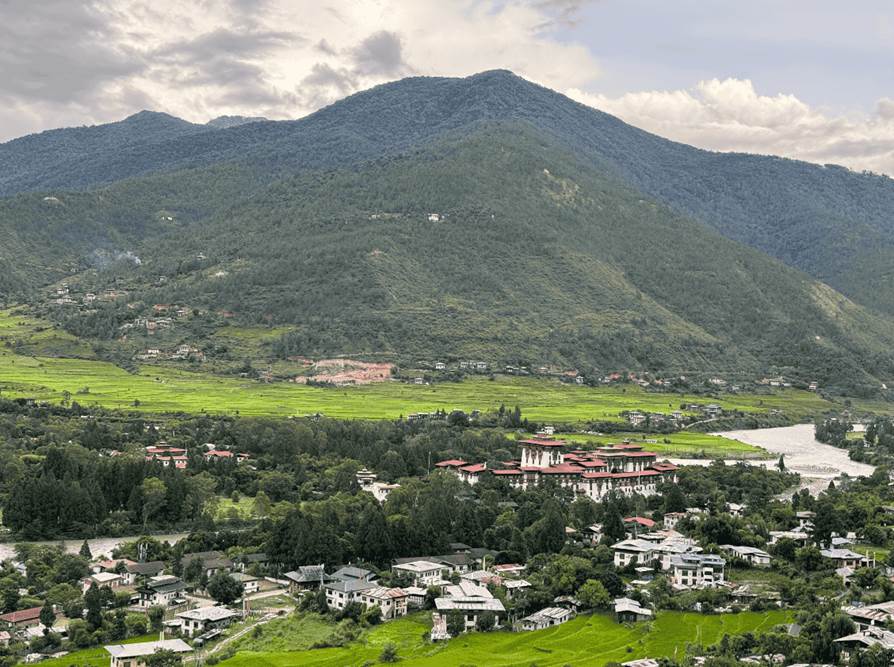
Step into the heart of Bhutanese history and spirituality with a visit to Punakha Dzong, one of the most iconic and breathtaking fortresses in the country. Nestled at the sacred confluence of the Pho Chu and Mo Chu rivers, this architectural masterpiece was built in 1637 by Zhabdrung Ngawang Namgyal, the great unifier of Bhutan. As you cross the traditional wooden cantilever bridge and approach the grand whitewashed walls, you’ll be walking the very grounds where Bhutan’s dual system of governance was first introduced—and where the first King, Gongsar Ugyen Wangchuck, was crowned in 1907. Despite enduring fires and an earthquake, the dzong stands today fully restored—thanks to the vision of the 4th King, Jigme Singye Wangchuck. It now serves as the winter residence of the Je Khenpo, the spiritual head of Bhutan, and houses a monastic community of over 1,000 monks. Marvel at the intricate woodwork and artistry that adorn the halls and courtyards, and let the sacred energy of this historic site leave a lasting impression on your journey.
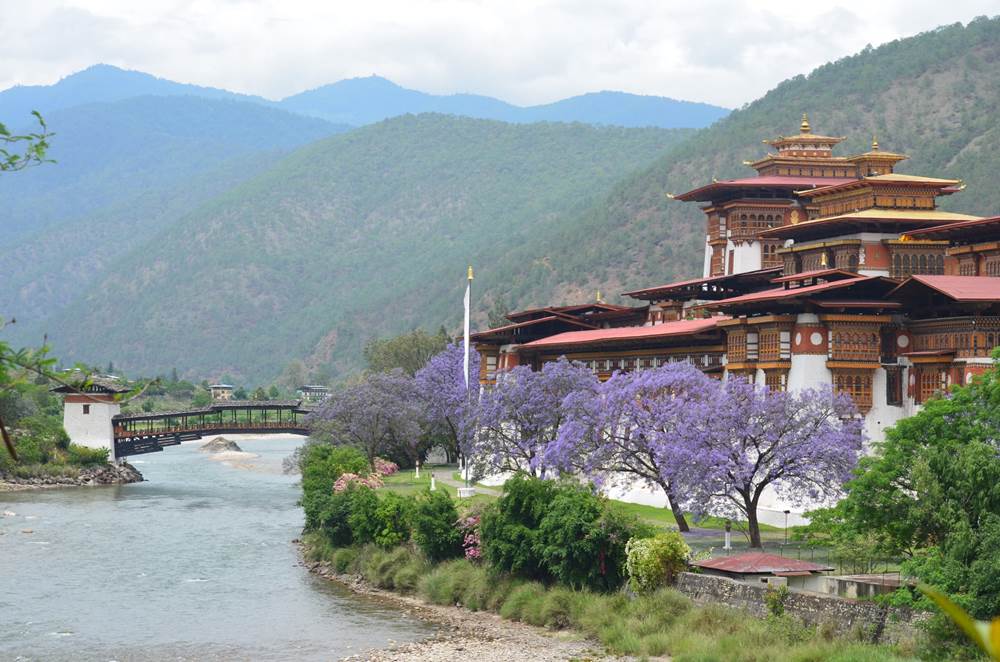
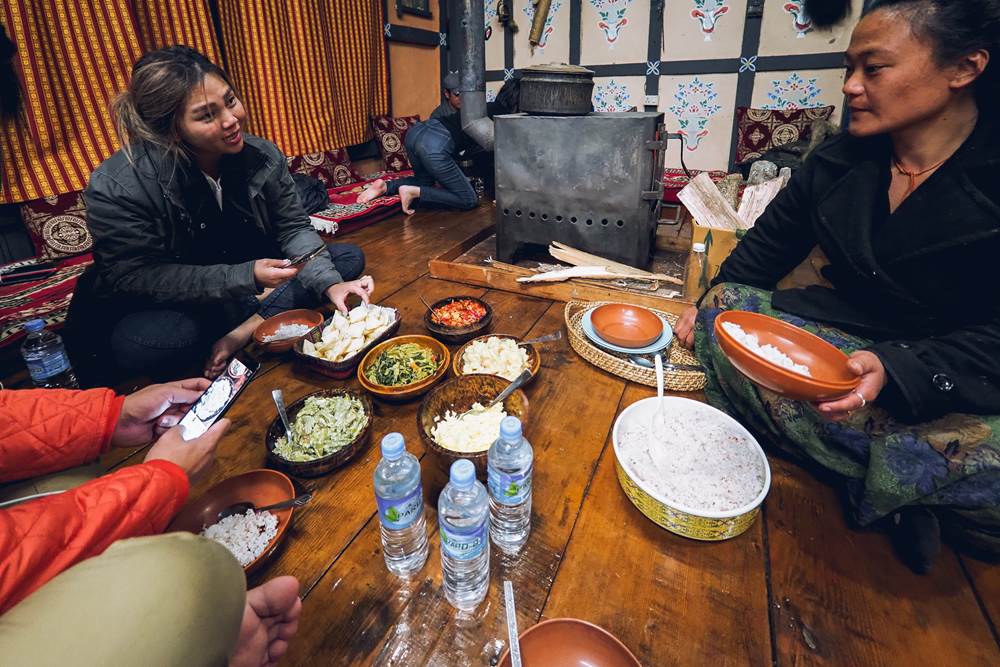
Visit a local Bhutanese family in their home and gain a heartfelt glimpse into daily life in the Kingdom. Enjoy a traditional meal prepared with local ingredients, and dine the Bhutanese way—seated on the floor, surrounded by warm hospitality, laughter, and stories. It’s a unique cultural experience that offers a genuine connection with the people of Bhutan.
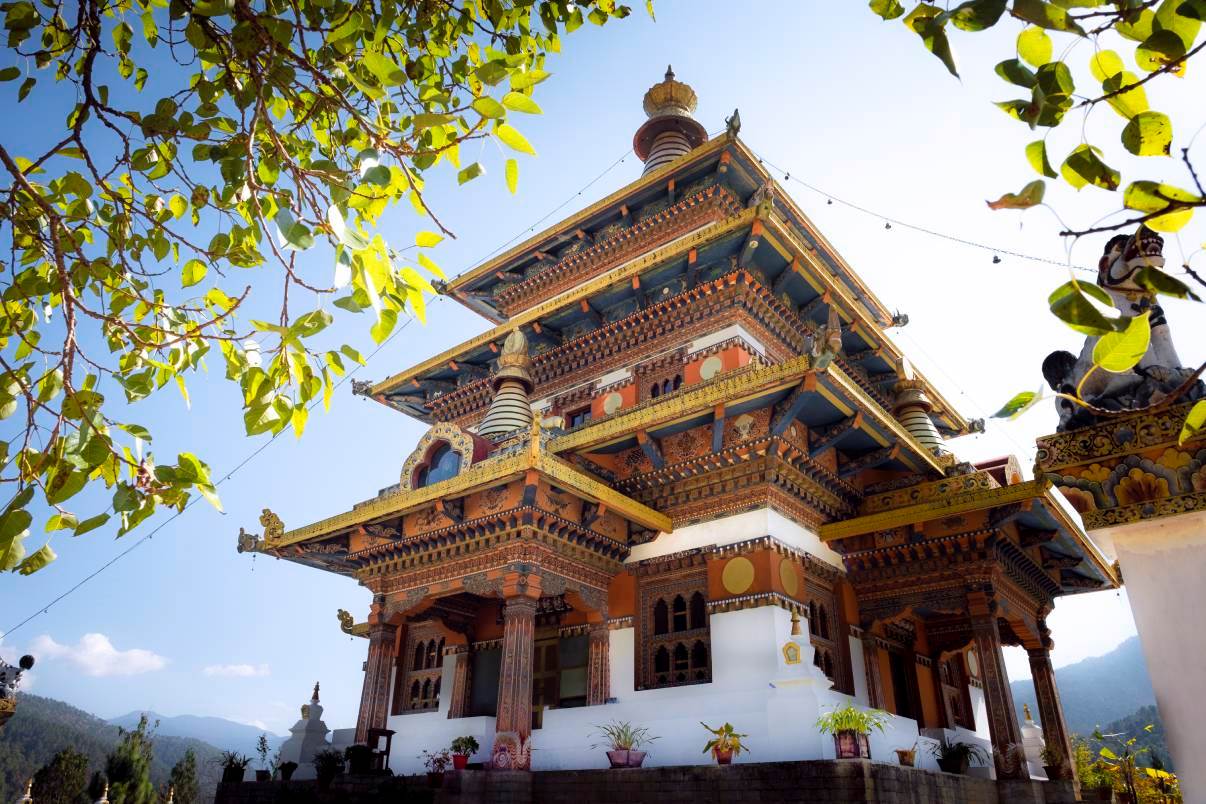
[Duration: 2 hours – 1 hour ascent, 1 hour descent] Embark on a scenic hike through lush paddy fields and pine forests to reach the stunning Khamsum Yulley Namgyal Chorten, perched gracefully on a hilltop overlooking the Punakha Valley. Unlike any other temple in Bhutan, this intricately designed chorten was built by the Queen Mother of the 5th King to promote peace, harmony, and universal well-being. Inside, the temple is adorned with some of Bhutan’s finest spiritual artwork. The walls are covered in detailed frescoes depicting Buddhist masters, protective deities, and profound symbolic imagery—offering a rich visual journey into Vajrayana Buddhist philosophy. This sacred site is not only a visual masterpiece but also a place of deep spiritual resonance, perfect for quiet reflection and cultural insight.
Check in to your hotel in Punakha and unwind for the night.
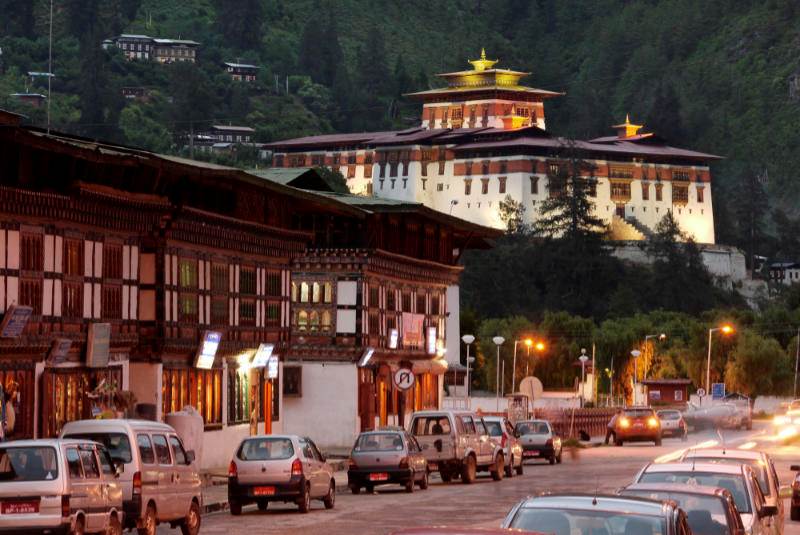
Paro Town is a charming and picturesque valley town nestled along the Paro River, surrounded by forested hills and traditional Bhutanese architecture. As the gateway to Bhutan—home to the country’s only international airport—Paro offers a relaxed blend of culture, history, and local life. The town is dotted with whitewashed shops, cosy cafés, handicraft boutiques, and traditional wooden buildings, all set against a stunning Himalayan backdrop. It's a good place to shop for souvenirs and mementos.
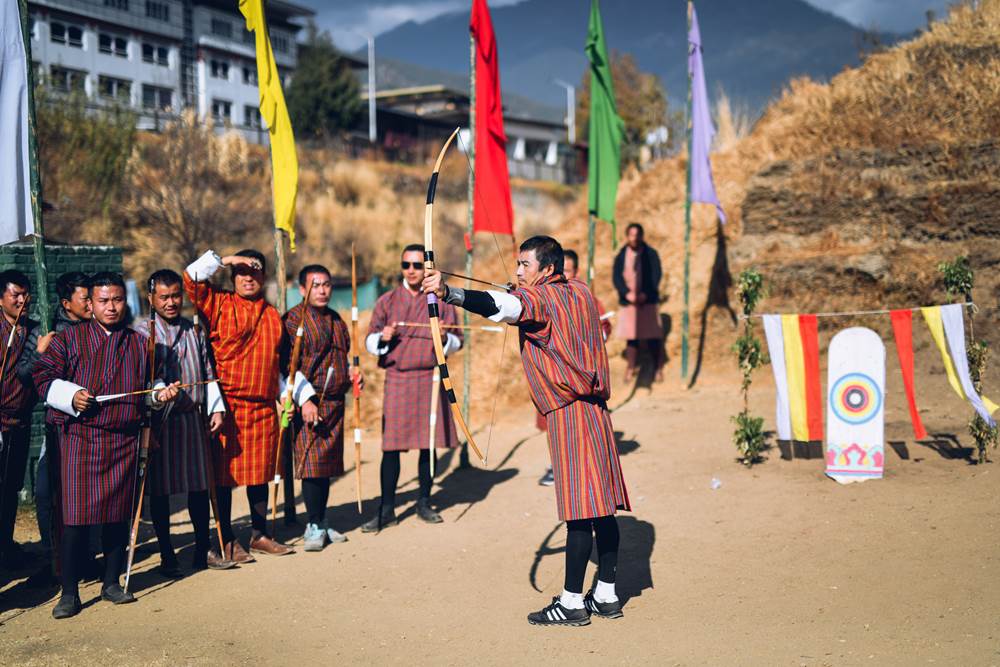
Try your hand at Bhutan’s beloved traditional sports—archery and khuru (darts). With guidance from your local guide, you’ll learn how to properly hold the bow and shoot an arrow. You’ll also get to experience khuru, a lively game where large darts are skillfully thrown at a distant target. It’s a fun and interactive way to immerse yourself in Bhutanese culture.
The Bumdra Trek is a scenic two-day adventure in Paro Valley, perfect for those seeking a high-altitude experience without the demands of a long expedition. Starting from Sang Choekor Buddhist College at around 2,800 metres, the trail winds through pine and rhododendron forests before reaching the serene Bumdra Monastery, nestled in alpine meadows at approximately 3,800 metres. Meaning “Cave of a Hundred Thousand Prayers,” the site offers stunning Himalayan views, especially on clear days. On the second day, the trek descends along dramatic ridgelines to the famed Tiger’s Nest Monastery, providing a unique and peaceful approach from above. The route covers around 20–23 km and is considered mild to moderate, with overnight luxury camping and spectacular sunrise vistas making it a truly memorable journey.
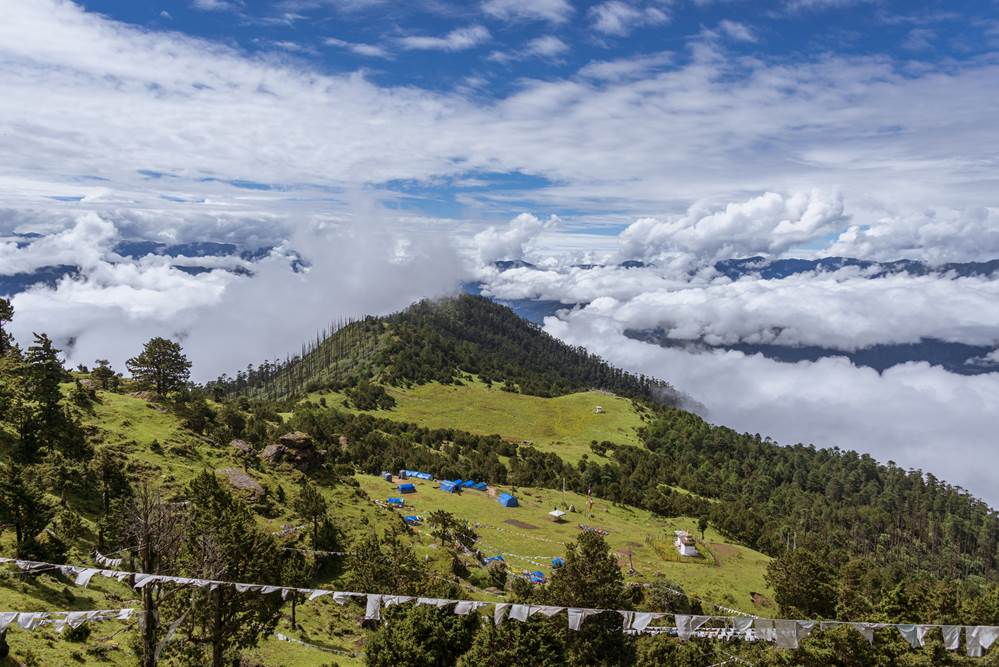
After a hearty breakfast amidst the jaw-dropping landscape, it’s time to either descend straight back into the valley—or linger a little longer, soaking up the sweeping views and perhaps hanging a few prayer flags of our own in the crisp mountain breeze. Eventually, we begin our descent through the ancient pine and rhododendron forest, following the monks’ zigzagging trail. After about 1–2 hours of downhill trekking, glimpses of golden temple roofs begin to appear through the trees. Soon, we arrive at the first of many sacred sites on our return journey from the highlands. The path weaves along the mountainside, linking monasteries and temples, until it opens to the serene gardens of Sangtopelri—Heaven on Earth. From here, you can bravely peer over the edge and spot the ornate roofs of Taktsang Monastery perched dramatically on the cliff far below. Roughly an hour later, we arrive at the gates of Taktsang. From here, a steep descent into a gorge brings us to a cascading waterfall, followed by a final climb up stone steps—ushering us into the legendary Tiger’s Nest itself. After exploring this sacred site, we retrace our steps and begin the final 45-minute descent, eventually meeting our vehicle for the drive back to your hotel. Before leaving, we pause on the opposite side of the valley for one last look—taking in the awe-inspiring view and reflecting on the journey you’ve just completed. Taktsang Monastery, also known as Tiger’s Nest, is one of the most revered Himalayan Buddhist sites. Legend holds that Guru Rinpoche flew to this very spot from Tibet on the back of a tigress—his consort, Yeshey Tshogyal—and meditated in a cave now enshrined within the monastery. It is believed that he emerged in eight different manifestations, sanctifying the site as a place of great spiritual power. Duration: 5–7 hours, depending on time spent at the monasteries Difficulty: Moderate Includes: Guided trek with mineral water provided
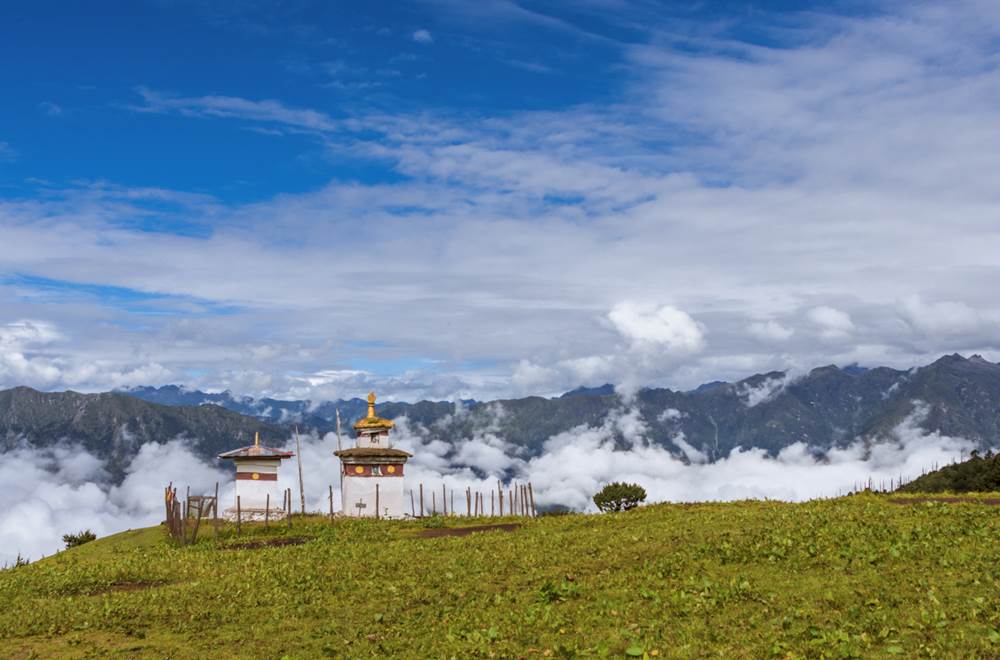
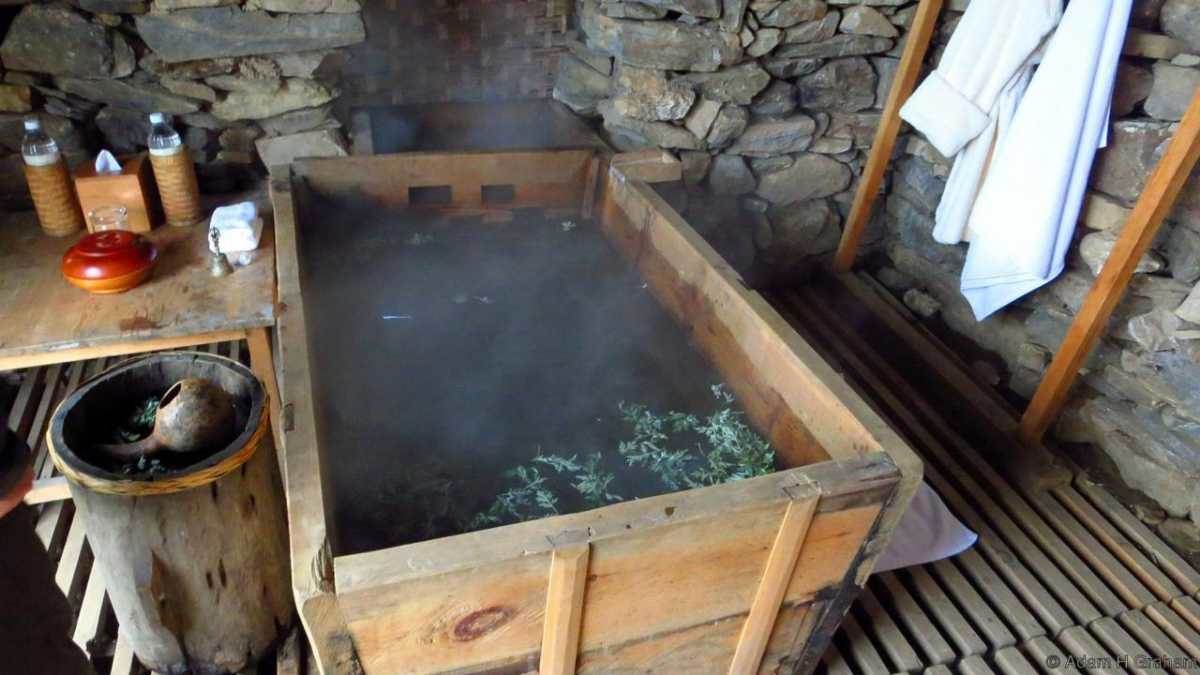
Sink into the comforting warmth of a traditional Bhutanese hot stone bath—an age-old ritual where nature, healing, and heritage come together in perfect harmony. As fire-roasted river stones are carefully dropped into a wooden tub filled with mineral-rich water, they crackle and hiss, releasing therapeutic heat and minerals believed to soothe tired muscles and boost circulation. Infused with fresh mountain herbs known for their calming aromas and medicinal properties, the bath envelops you in a cocoon of peace and restoration. In the quiet embrace of a rustic bathhouse, you’ll feel stress melt away, leaving only stillness and serenity behind. Additional charges apply.