 Bhutan Travel Specialist, Druk Air Representative (Royal Bhutan Airlines)
Duration: 6 Nights
Highlights: Embark on an unforgettable seven-day journey into the heart of the Bhutanese Himalaya, where sweeping ridges, sacred monasteries and pristine rhododendron forests converge in the dramatic wilds above Paro Valley.
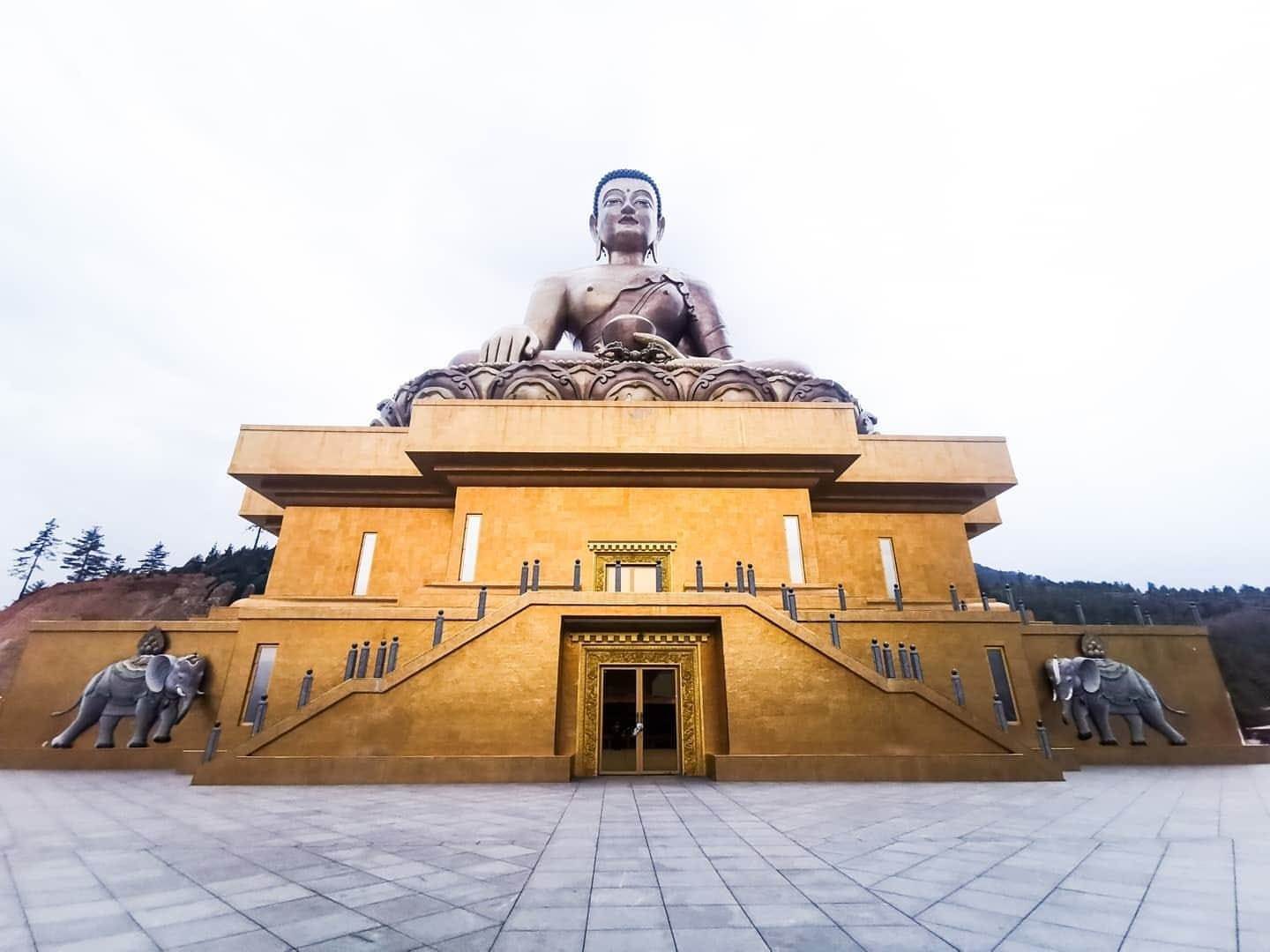
Towering above Thimphu Valley from the tranquil Kuenselphodrang Nature Park, the majestic Buddha Dordenma is a sight to behold. Standing at a staggering 51.5 metres, this golden statue is one of the largest seated Buddhas in the world—and it’s not just its size that impresses. Nestled inside are over 100,000 smaller Buddha statues, each crafted with the same devotion and detail. More than a monument, the Buddha Dordenma is a symbol of indestructibility and spiritual awakening, believed to bless the land with peace and harmony.
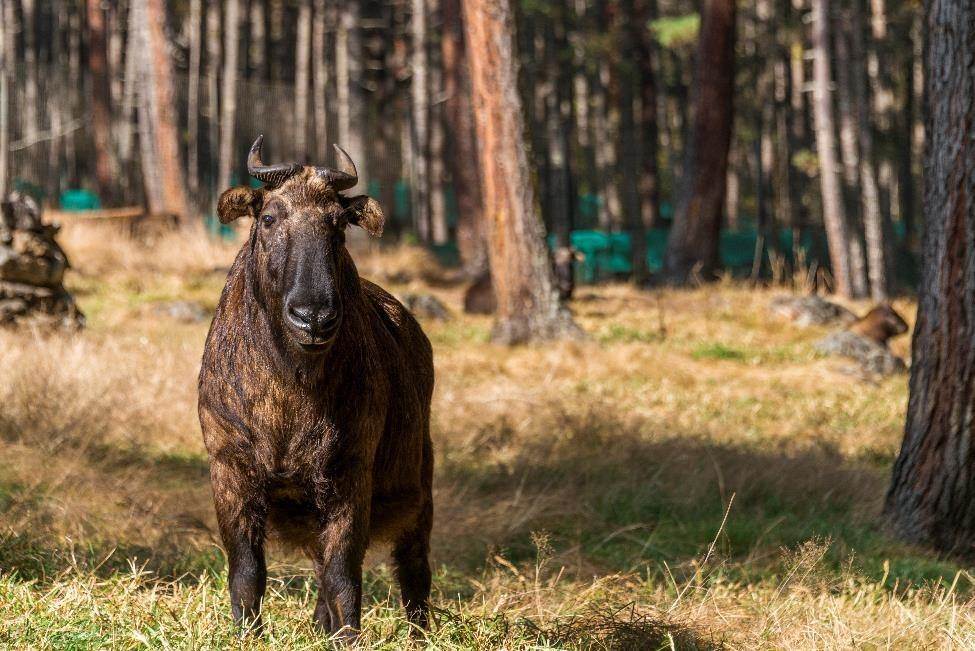
Visiting the Motithang Takin Preserve in Thimphu is a delightful and serene experience—it’s the national animal’s very own sanctuary, nestled just 15–20 minutes from the city centre. What began as a humble mini-zoo became something far more fitting: a forested 3.4-hectare reserve where takin, Bhutan’s unique goat–cow creatures, have chosen to stay even when released into the wild. It’s a charming, low-key wildlife encounter that captures Bhutan’s gentle spirit—perfect for families, nature lovers, and anyone curious about the country’s living symbols.
Simply Bhutan is an interactive “living” museum that offers visitors an engaging introduction to Bhutan’s traditional way of life. Upon arrival, guests are welcomed with a sip of arra—a local rice spirit—before being guided through recreated village scenes that capture the essence of rural Bhutan. Along the way, you can slip into traditional attire, try your hand at archery, and listen to Bhutanese women singing as they demonstrate the ancient art of building houses from rammed earth. It’s a vibrant, hands-on experience that brings Bhutan’s heritage to life.
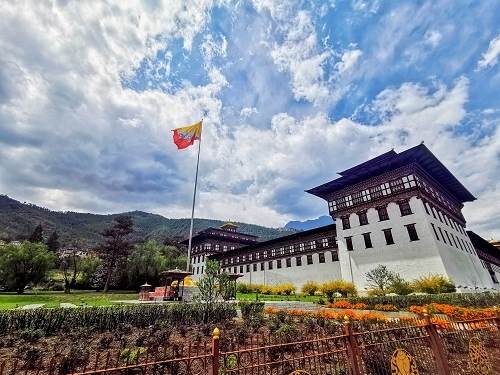
Tashichho Dzong, meaning “Fortress of the Glorious Religion,” is one of Bhutan’s most iconic landmarks. Located along the banks of the Wang Chhu River in Thimphu, it serves as the seat of Bhutan’s government and houses the Throne Room, the offices of His Majesty the King, and several key ministries. It’s also the summer residence of the central monastic body, led by the Je Khenpo. With its imposing whitewashed walls, golden spires, and ornately painted woodwork, Tashichho Dzong is a striking example of Bhutanese architecture. The surrounding gardens and courtyards offer a serene setting, especially when lit up in the evening. Visitors are welcome to explore certain areas of the dzong after office hours, making it not just a centre of political and religious life, but also a window into the living heritage of Bhutan.
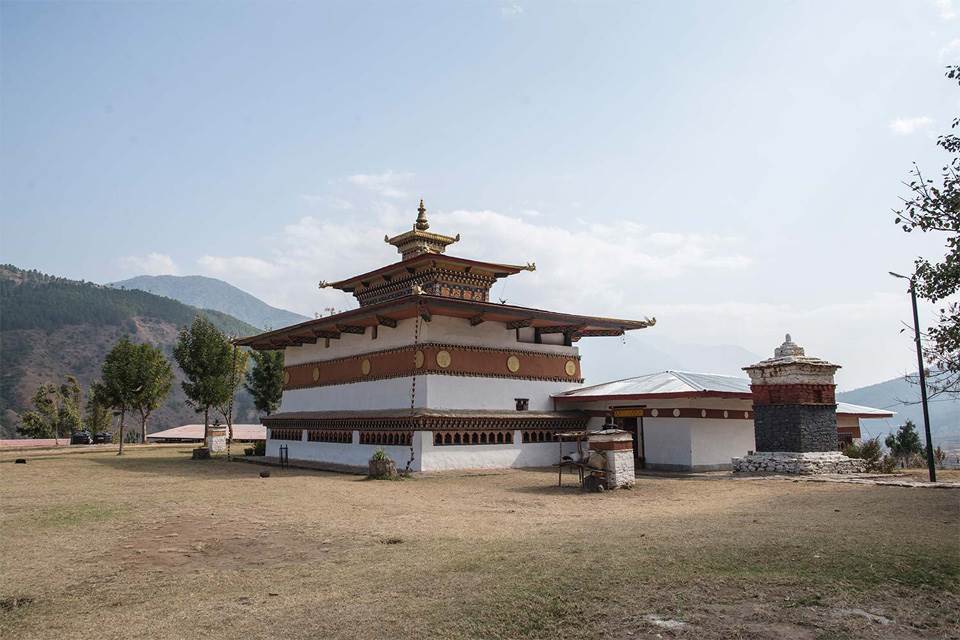
Nestled in the charming village of Sopsokha, Chimi Lhakhang—also known as the Fertility Temple—stands atop a gentle hill near Lobesa. Built in 1499 by Ngawang Choegyel, the 14th Drukpa Hierarch, the monastery is dedicated to the revered and unconventional saint, Lama Drukpa Kunley, famously known as the Divine Madman for his unorthodox teachings and eccentric behavior. To reach the temple, enjoy a scenic 30-minute walk through terraced paddy fields and a quaint village path. Pilgrims from all over the world visit Chimi Lhakhang to seek blessings for fertility, and many couples have returned to share stories of their answered prayers. A visit here offers not only cultural insight but also a peaceful connection with Bhutan’s spiritual traditions.
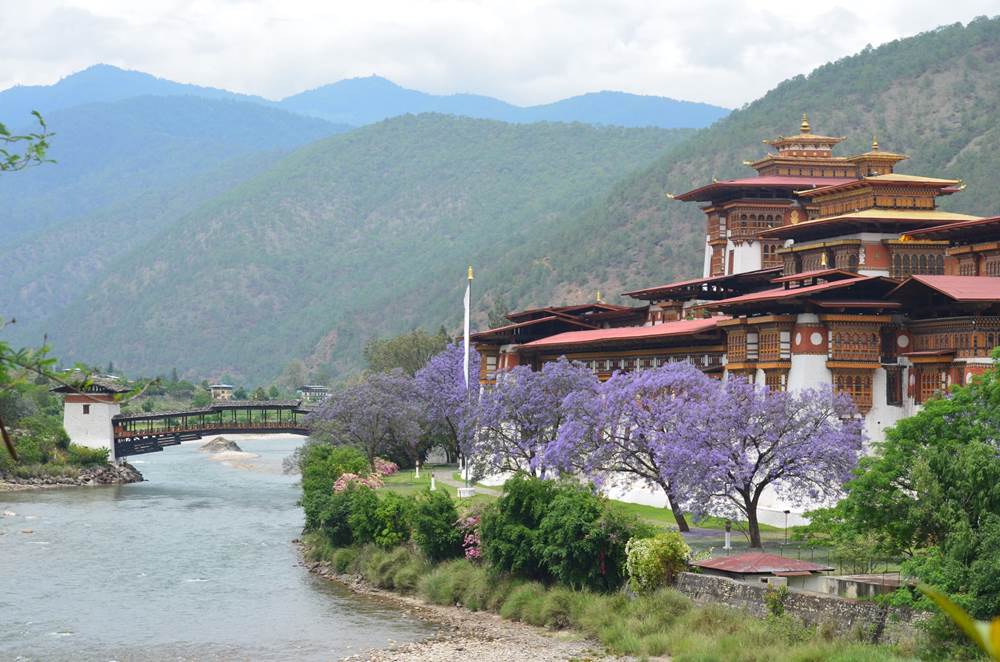
Step into the heart of Bhutanese history and spirituality with a visit to Punakha Dzong, one of the most iconic and breathtaking fortresses in the country. Nestled at the sacred confluence of the Pho Chu and Mo Chu rivers, this architectural masterpiece was built in 1637 by Zhabdrung Ngawang Namgyal, the great unifier of Bhutan. As you cross the traditional wooden cantilever bridge and approach the grand whitewashed walls, you’ll be walking the very grounds where Bhutan’s dual system of governance was first introduced—and where the first King, Gongsar Ugyen Wangchuck, was crowned in 1907. Despite enduring fires and an earthquake, the dzong stands today fully restored—thanks to the vision of the 4th King, Jigme Singye Wangchuck. It now serves as the winter residence of the Je Khenpo, the spiritual head of Bhutan, and houses a monastic community of over 1,000 monks. Marvel at the intricate woodwork and artistry that adorn the halls and courtyards, and let the sacred energy of this historic site leave a lasting impression on your journey.
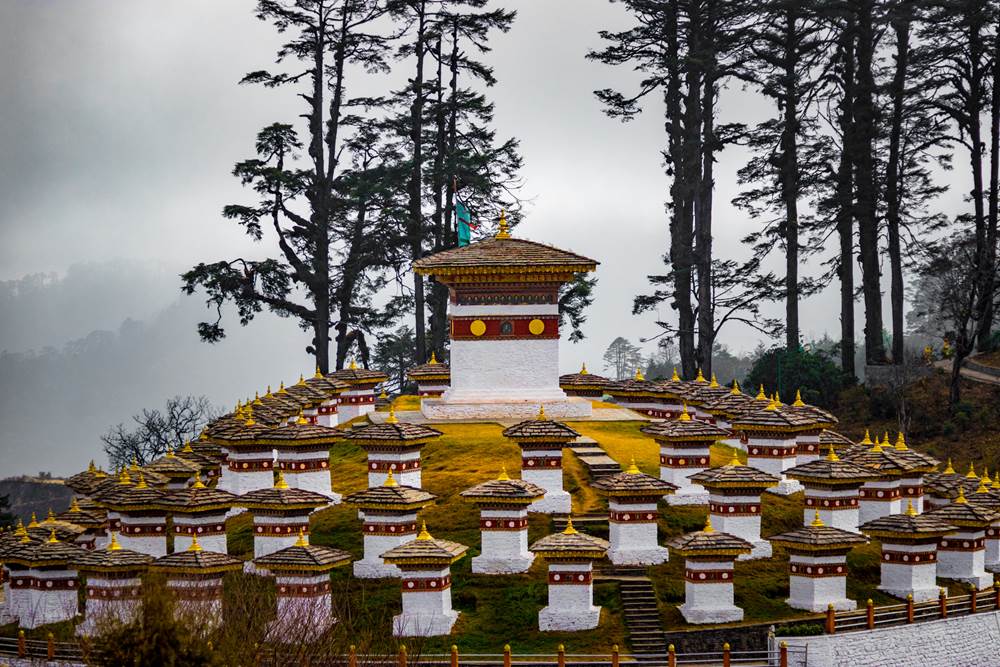
Perched at an altitude of 3,100 metres, Dochula Pass is one of Bhutan’s most serene and awe-inspiring mountain passes. Often cloaked in mist and prayer flags fluttering in the breeze, it’s a place where time seems to slow down. The pass is adorned with 108 memorial chortens, built in honour of Bhutanese soldiers, and offers panoramic views of the snow-capped Himalayan range on clear days. Whether you're pausing for reflection or simply soaking in the stillness, Dochula invites you to breathe deeply, feel the peace, and reconnect with the beauty of the journey.
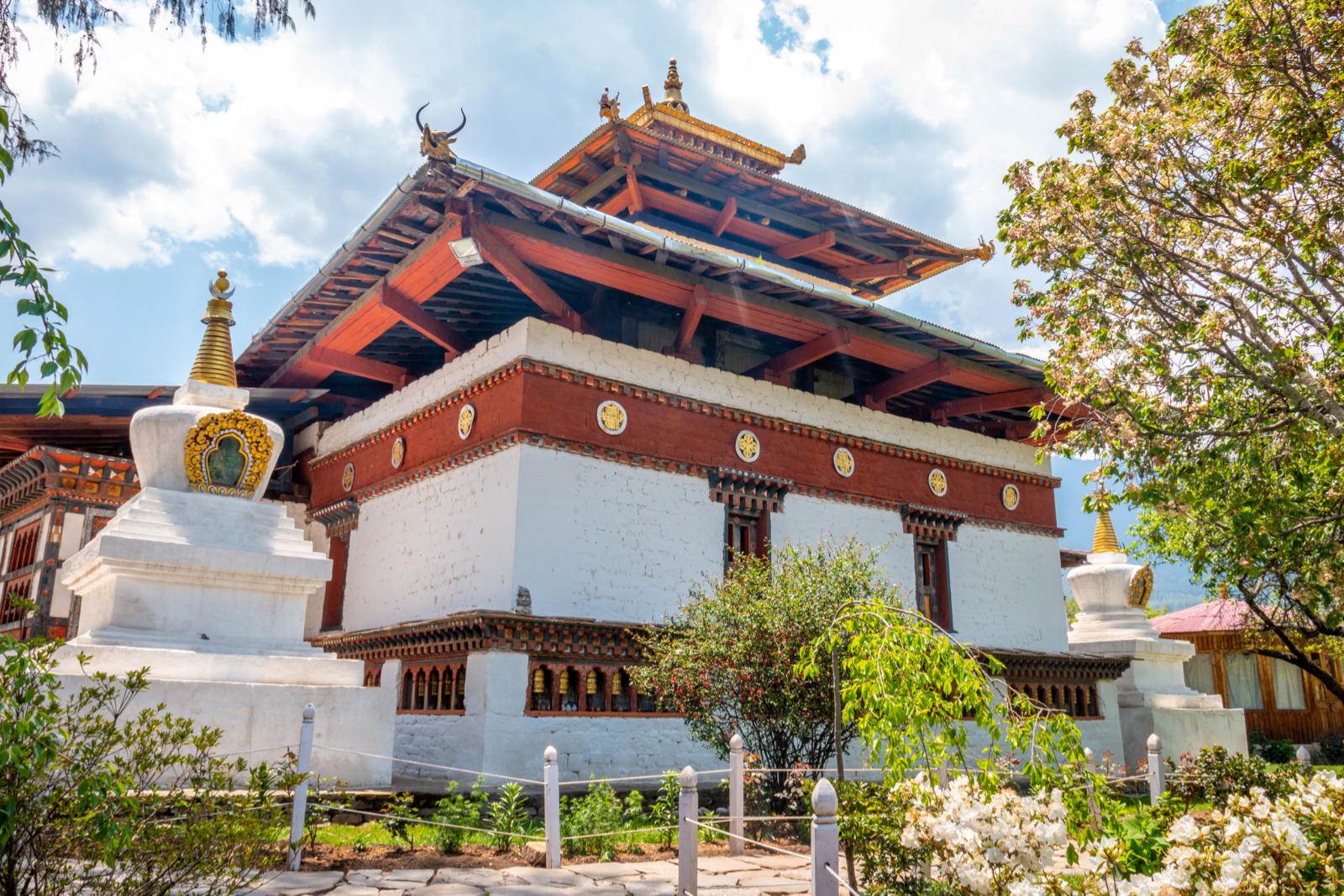
At 1300 years old, Kyichu Lhakhang is one of Bhutan’s oldest and most sacred temples, believed to have been built in the 7th century by Tibetan Emperor Songtsen Gampo as part of a spiritual mission to subdue a demoness and spread Buddhism. Located just north of Paro, it is often referred to as the “Sacred Jewel of Bhutan.” Over the centuries, the temple has been expanded and visited by many great masters, including Padmasambhava. It's a peaceful and deeply spiritual place, cherished by pilgrims and visitors alike.
Paro Dzong—also known as Rinpung Dzong, or the “Fortress of a Heap of Jewels”—is a spectacular hilltop monastery-fortress overlooking the Paro River and valley. Built in 1646 on an earlier temple site, it remains one of the finest examples of Bhutanese architecture, with soaring wooden beams, an iconic cantilever bridge and numerous shrines and chapels inside. It has served both as a defensive stronghold against Tibetan invasions and as the administrative and monastic centre for Paro district. Today it’s still home to around 200 monks, hosts the colourful Paro Tsechu festival, and offers visitors a serene yet awe-inspiring glimpse into Bhutan’s spiritual and cultural heritage.

Hike from Sang Choekor Buddhist College (2,800 m) to Yak Pasture below Bumdra Monastery (3,800 m)
Your adventure begins with an early morning drive to Sang Choekor Buddhist College, where you’ll meet your ponies. While the gear is being loaded, take a moment to visit the college and offer your respects. The hike starts with a 1–2 hour ascent along a forested ridge—steep at times, but shaded and peaceful.
Soon, you’ll reach a scenic clearing adorned with prayer flags, offering breathtaking views of both the Paro and Do Chhu valleys. After another 1–2 hours of trekking, you’ll arrive at Chhoe Tse Lhakhang, a secluded temple nestled on the mountainside.
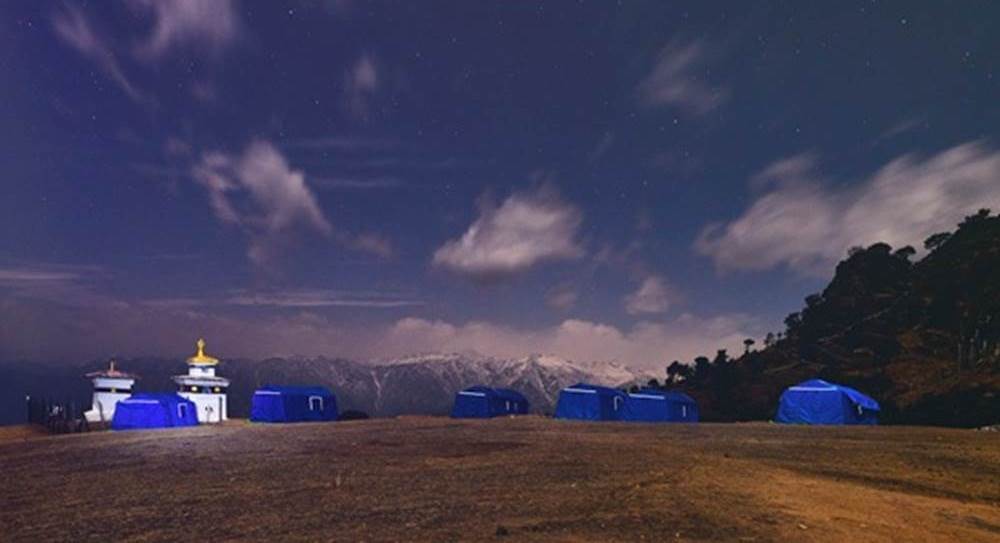
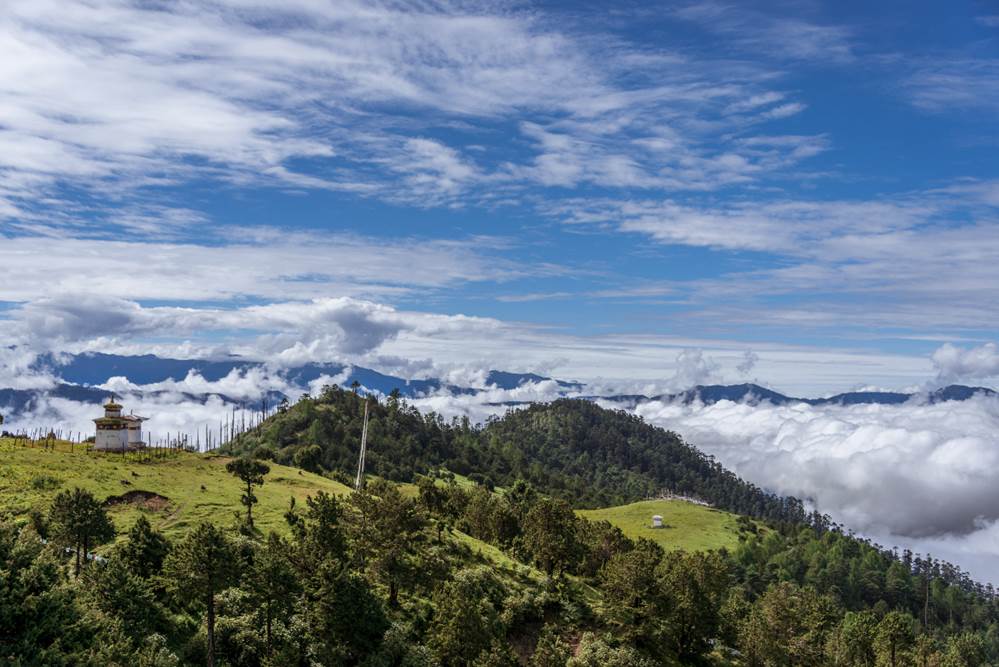
The trail then continues upward. A final steep push brings you to a vantage point overlooking Paro Airport and the distant snow-capped Himalayas. From here, a 20-minute climb through prayer-flag-strewn ruins leads into an ancient forest. After about 40 minutes of walking under the forest canopy, the path opens into a vast alpine meadow, dotted with sacred chortens and fluttering prayer flags—a serene end to a truly rewarding hike.
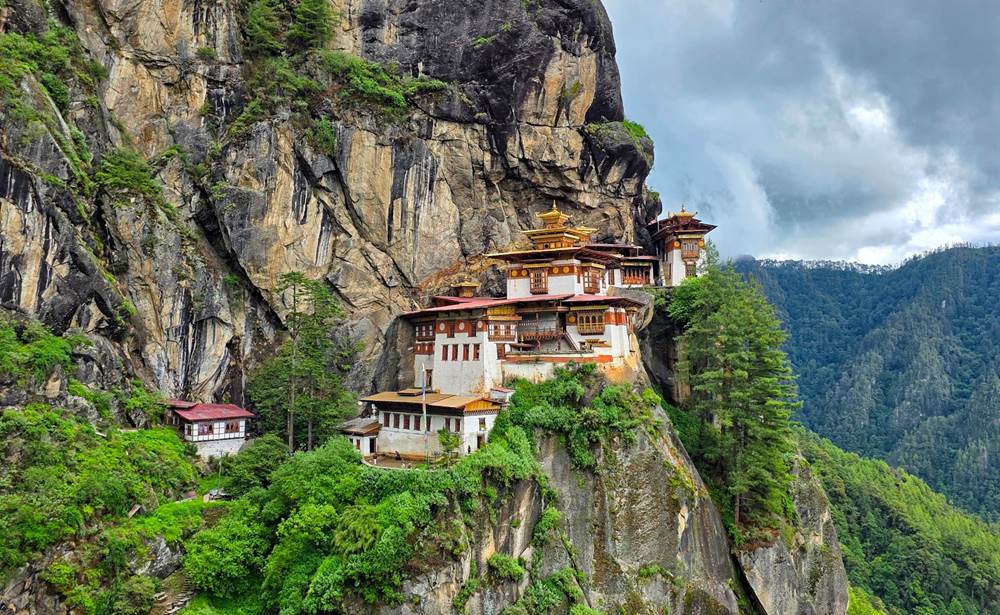
They say, "a visit to Bhutan is not complete without climbing up to the Tiger's Nest". Taktsang Monastery, famously known as the Tiger’s Nest, is Bhutan’s most iconic landmark, dramatically perched on a cliffside 3,120 metres above sea level in Paro Valley. According to legend, Guru Padmasambhava flew to this site in the 8th century on the back of a tigress and meditated in a cave that now lies at the heart of the monastery. Built in 1692, the complex includes temples, meditation caves, and stunning viewpoints that seem to defy gravity. Reaching the monastery involves a scenic 2–3 hour hike through pine forests and fluttering prayer flags—a spiritual and physical journey that rewards you with breathtaking views and deep serenity.