 Bhutan Travel Specialist, Druk Air Representative (Royal Bhutan Airlines)
Duration: 10 Nights
Highlights: The Soi Yaksa Trek is one of Bhutan’s most rewarding short treks. It gives you a real high-altitude Himalayan experience without the long commitment of extended expeditions. Over 11 days, you’ll cover 59 kilometres through pristine forests, quiet yak pastures, and valleys filled with wildflowers. It’s a well-balanced journey that combines time in nature with meaningful cultural insight. Your Bhutanese guides travel with you throughout the trek. They share what they know about the mountains they call home, from alpine plants to the wildlife that moves through these remote areas. You’ll also learn how highland yak herding communities live and work, and how they’ve adapted to life at altitude over generations. The views are a constant highlight. You’ll see Jomolhari, Jichu Drakye, and other snow-covered peaks along the route. The highest point is Bonte La Pass at 4,890 metres, where the landscape opens up in every direction. From there, the trail leads deep into the Soi Yaksa valley, with steep cliffs, waterfalls, and glacial scenery. The descent follows a ridge through rhododendron forest, a section many consider one of the best trekking routes in Bhutan. This journey also includes time beyond the trail. It’s a complete Bhutan experience, with both adventure and cultural depth built into one trip.
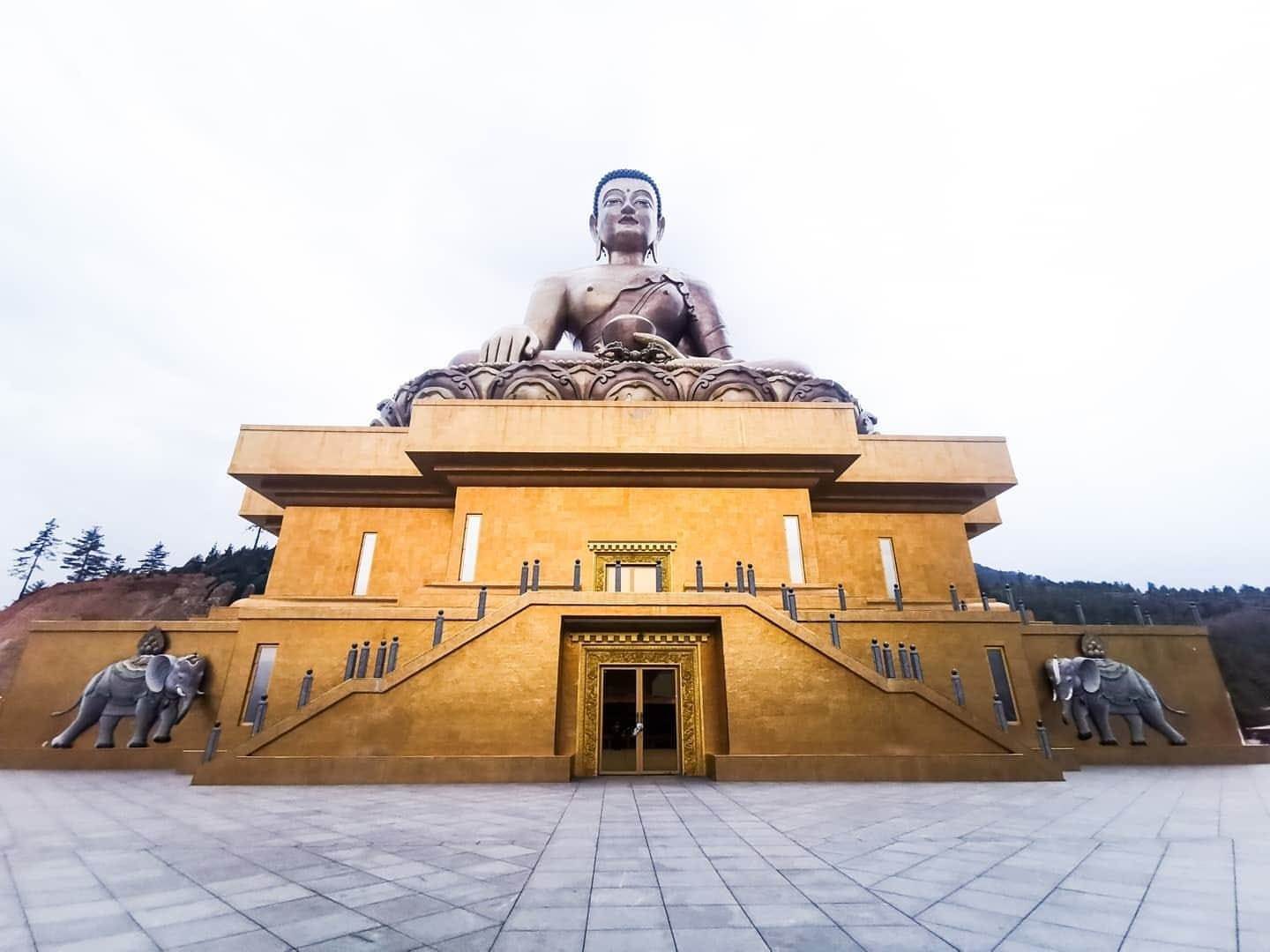
Towering above Thimphu Valley from the tranquil Kuenselphodrang Nature Park, the majestic Buddha Dordenma is a sight to behold. Standing at a staggering 51.5 metres, this golden statue is one of the largest seated Buddhas in the world—and it’s not just its size that impresses. Nestled inside are over 100,000 smaller Buddha statues, each crafted with the same devotion and detail. More than a monument, the Buddha Dordenma is a symbol of indestructibility and spiritual awakening, believed to bless the land with peace and harmony.
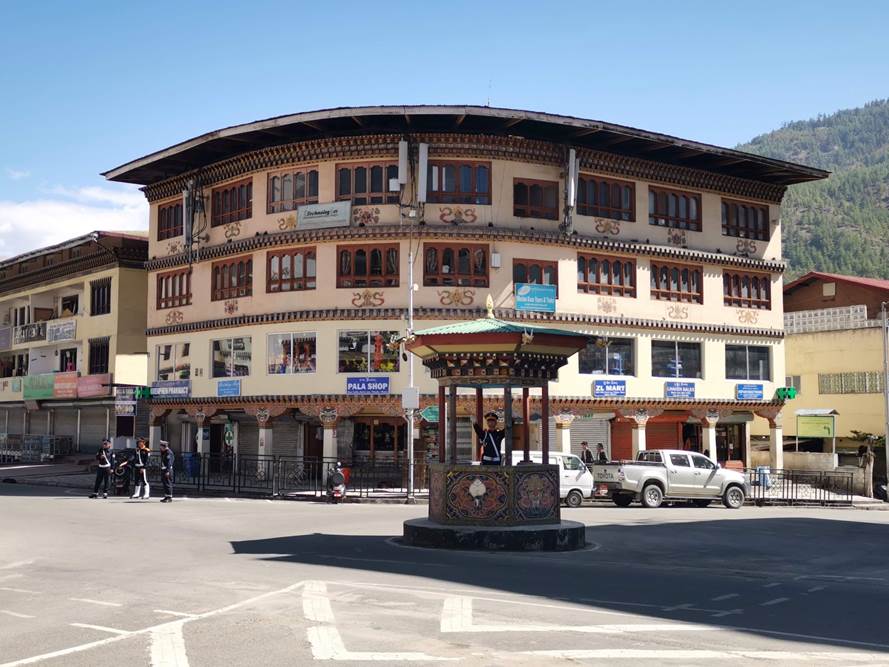
Strolling around Thimphu town offers a delightful blend of tradition and modern life in Bhutan’s capital. Start at Clock Tower Square, the lively heart of the city—adorned with carved wooden façades, prayer wheels, and water fountains—and a charming spot to linger while locals chat or browse the weekend market. From here, wander down Norzin Lam, Thimphu’s main street, where boutique shops, handicraft stores, and cafés invite you in. Along the way, admire traditional architecture—ornate wood carvings, colourful murals, and fluttering prayer flags—woven seamlessly into everyday life.
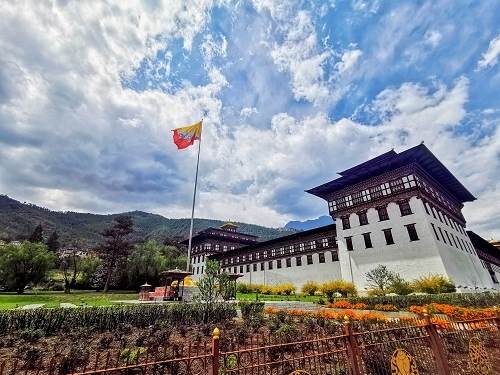
Tashichho Dzong, meaning “Fortress of the Glorious Religion,” is one of Bhutan’s most iconic landmarks. Located along the banks of the Wang Chhu River in Thimphu, it serves as the seat of Bhutan’s government and houses the Throne Room, the offices of His Majesty the King, and several key ministries. It’s also the summer residence of the central monastic body, led by the Je Khenpo. With its imposing whitewashed walls, golden spires, and ornately painted woodwork, Tashichho Dzong is a striking example of Bhutanese architecture. The surrounding gardens and courtyards offer a serene setting, especially when lit up in the evening. Visitors are welcome to explore certain areas of the dzong after office hours, making it not just a centre of political and religious life, but also a window into the living heritage of Bhutan.
Towering above Thimphu Valley from the tranquil Kuenselphodrang Nature Park, the majestic Buddha Dordenma is a sight to behold. Standing at a staggering 51.5 metres, this golden statue is one of the largest seated Buddhas in the world—and it’s not just its size that impresses. Nestled inside are over 100,000 smaller Buddha statues, each crafted with the same devotion and detail. More than a monument, the Buddha Dordenma is a symbol of indestructibility and spiritual awakening, believed to bless the land with peace and harmony.
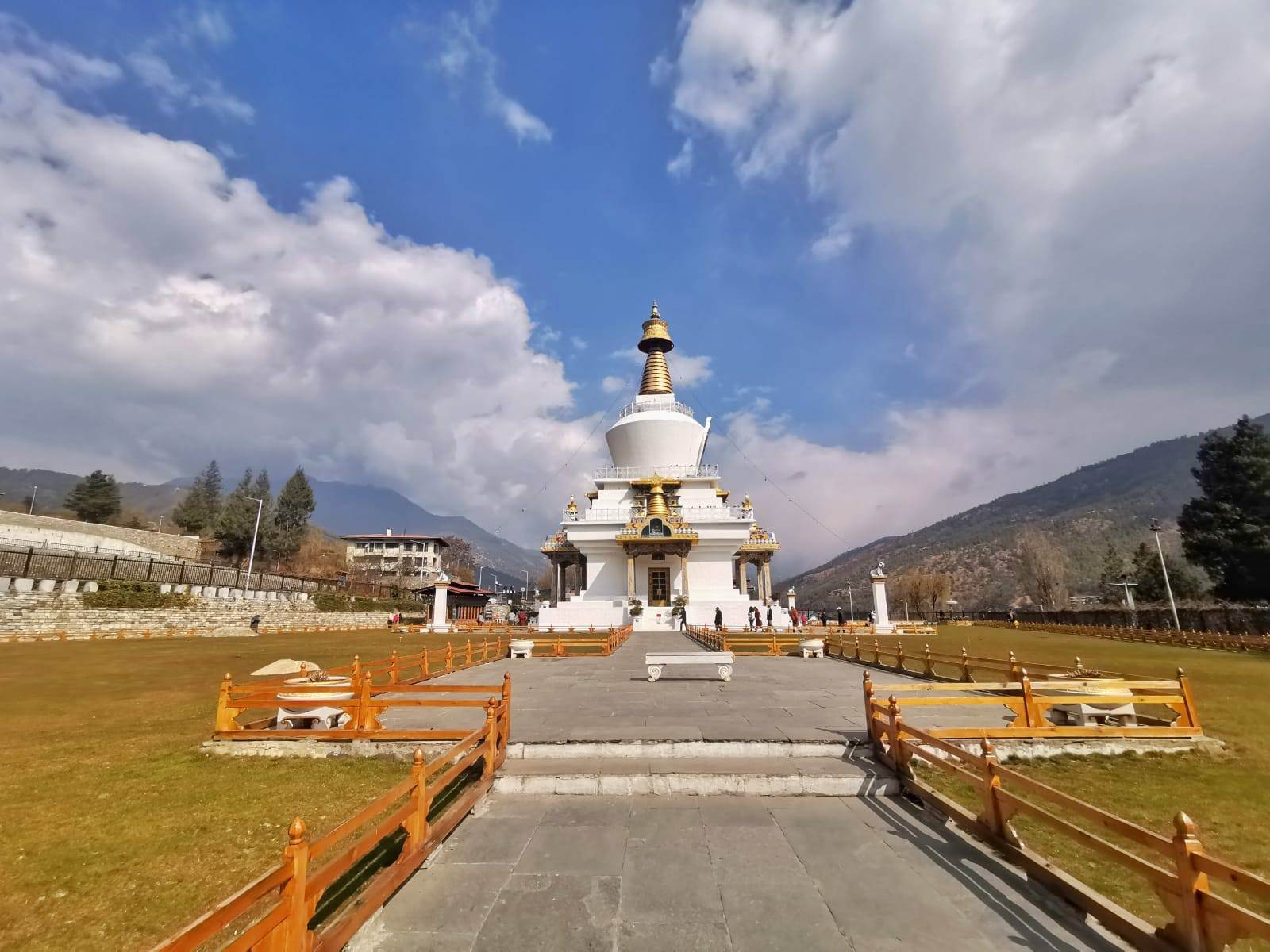
Immerse yourself in the spiritual rhythm of Thimphu with a visit to the National Memorial Chorten, where locals—especially the elderly—gather daily to walk in prayerful circles, spinning prayer wheels and murmuring mantras in a peaceful flow of devotion. Built in 1974 to honour the beloved Third King, this white-washed stupa is a living sanctuary. Step inside and you’ll find vibrant murals, intricate mandalas, and detailed sculptures that beautifully illustrate Buddhist teachings. If you're seeking serenity or a glimpse into Bhutanese spiritual life, this is a place that quietly leaves a lasting impression.
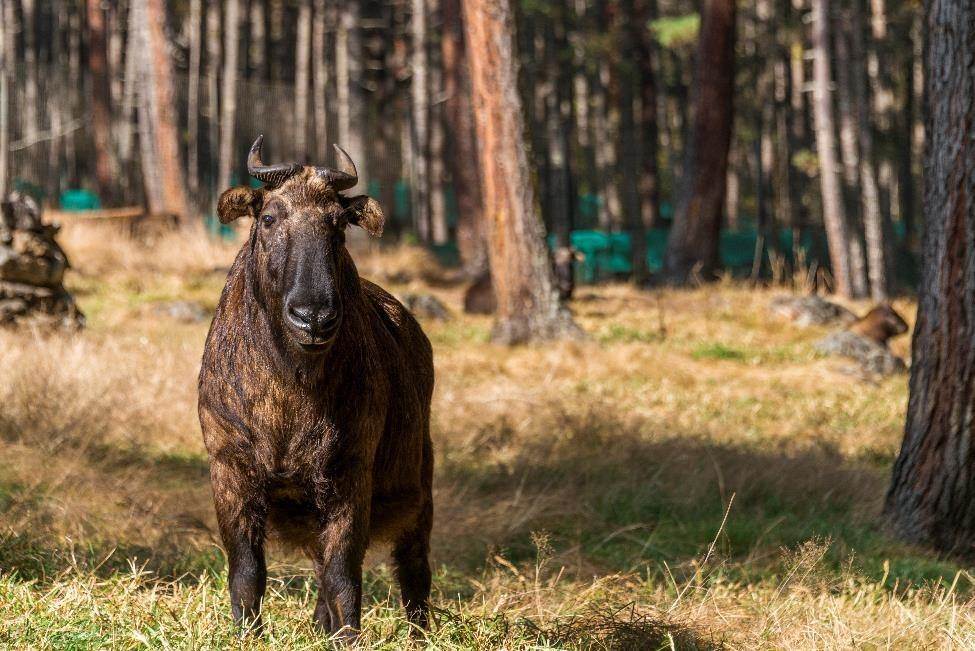
Visiting the Motithang Takin Preserve in Thimphu is a delightful and serene experience—it’s the national animal’s very own sanctuary, nestled just 15–20 minutes from the city centre. What began as a humble mini-zoo became something far more fitting: a forested 3.4-hectare reserve where takin, Bhutan’s unique goat–cow creatures, have chosen to stay even when released into the wild. It’s a charming, low-key wildlife encounter that captures Bhutan’s gentle spirit—perfect for families, nature lovers, and anyone curious about the country’s living symbols.
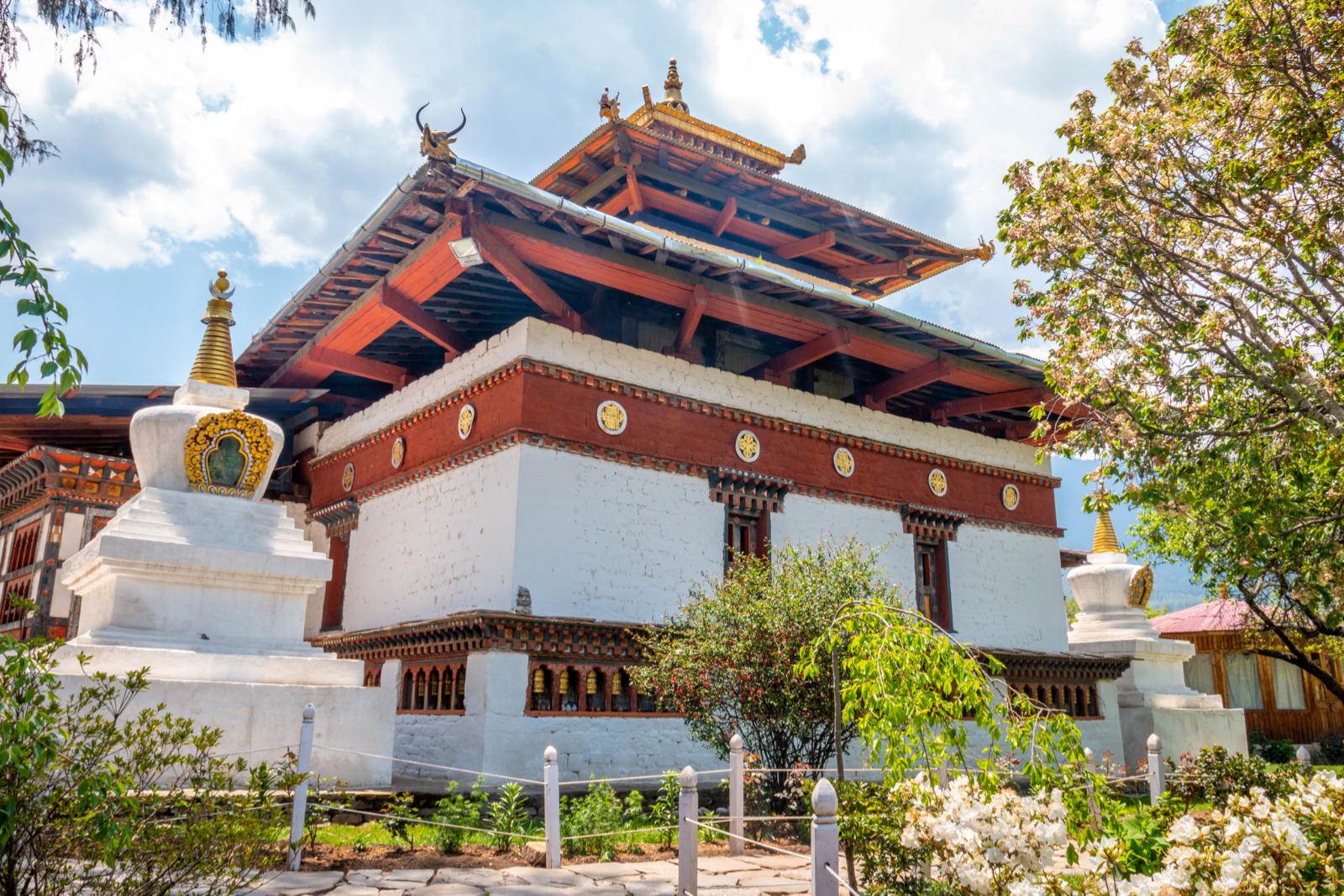
At 1300 years old, Kyichu Lhakhang is one of Bhutan’s oldest and most sacred temples, believed to have been built in the 7th century by Tibetan Emperor Songtsen Gampo as part of a spiritual mission to subdue a demoness and spread Buddhism. Located just north of Paro, it is often referred to as the “Sacred Jewel of Bhutan.” Over the centuries, the temple has been expanded and visited by many great masters, including Padmasambhava. It's a peaceful and deeply spiritual place, cherished by pilgrims and visitors alike.
Paro Dzong—also known as Rinpung Dzong, or the “Fortress of a Heap of Jewels”—is a spectacular hilltop monastery-fortress overlooking the Paro River and valley. Built in 1646 on an earlier temple site, it remains one of the finest examples of Bhutanese architecture, with soaring wooden beams, an iconic cantilever bridge and numerous shrines and chapels inside. It has served both as a defensive stronghold against Tibetan invasions and as the administrative and monastic centre for Paro district. Today it’s still home to around 200 monks, hosts the colourful Paro Tsechu festival, and offers visitors a serene yet awe-inspiring glimpse into Bhutan’s spiritual and cultural heritage.

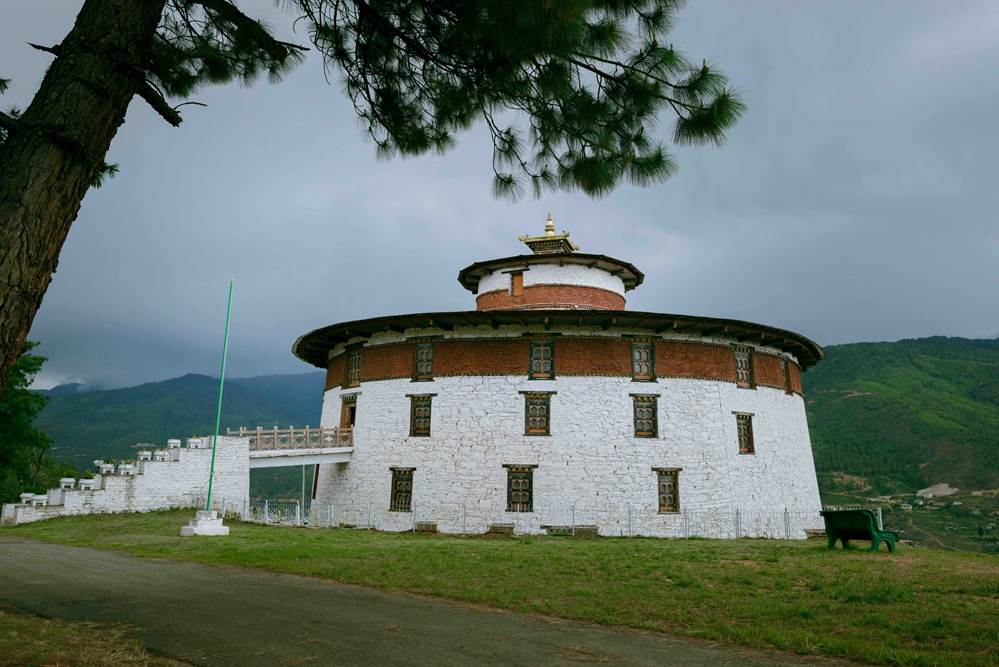
Perched above Paro Dzong, Ta Dzong is a striking circular fortress that now houses Bhutan’s National Museum. Originally built in 1649 as a watchtower to guard the valley, it was transformed into a museum in 1968 under the initiative of King Jigme Dorji Wangchuck. The museum showcases over 3,000 artefacts spanning more than 1,500 years of Bhutanese history, including ancient weapons, royal heirlooms, religious relics, textiles, and natural history displays. The architecture itself is remarkable, constructed without the use of nails and featuring thick stone-and-wood walls. With panoramic views over Paro Valley, a visit to Ta Dzong offers a rich and immersive journey through Bhutan’s cultural and spiritual heritage.
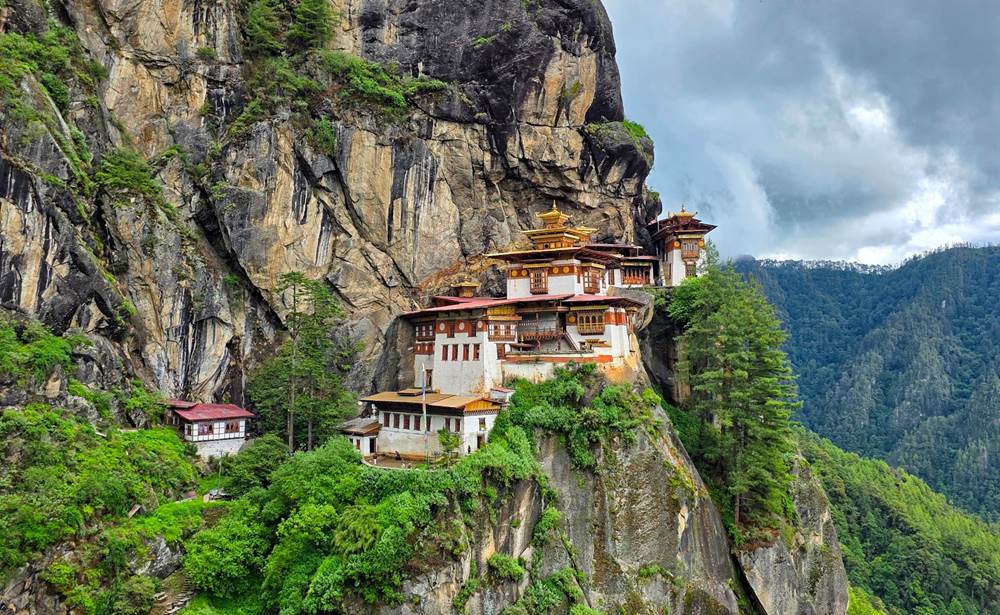
They say, "a visit to Bhutan is not complete without climbing up to the Tiger's Nest". Taktsang Monastery, famously known as the Tiger’s Nest, is Bhutan’s most iconic landmark, dramatically perched on a cliffside 3,120 metres above sea level in Paro Valley. According to legend, Guru Padmasambhava flew to this site in the 8th century on the back of a tigress and meditated in a cave that now lies at the heart of the monastery. Built in 1692, the complex includes temples, meditation caves, and stunning viewpoints that seem to defy gravity. Reaching the monastery involves a scenic 2–3 hour hike through pine forests and fluttering prayer flags—a spiritual and physical journey that rewards you with breathtaking views and deep serenity.
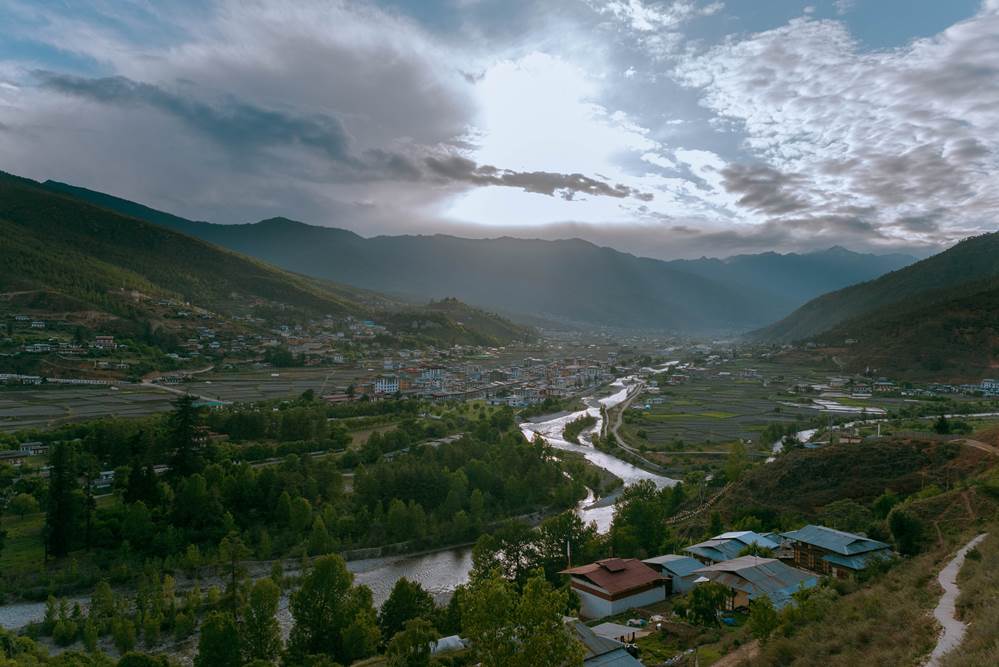
Paro Chhu, also known as the Paro River, flows gracefully through the heart of Paro Valley, fed by the glacier waters of Mount Chomolhari. Its clear, fast-moving currents nourish fertile rice fields, fruit orchards, and vibrant ecosystems along its banks. The river is not only vital to agriculture but also popular for fly-fishing and adventure sports, with sections offering kayaking and exciting rapids. Iconic sights like Paro Dzong and traditional wooden bridges rise along its course, adding to the river’s serene beauty and cultural significance. As it winds its way to meet the Wong Chhu at Chhuzom, the Paro Chhu weaves together nature, tradition, and daily life in Bhutan. The bridge provided the backdrop for scenes in the feature films, Little Buddha and Travellers and Magicians.
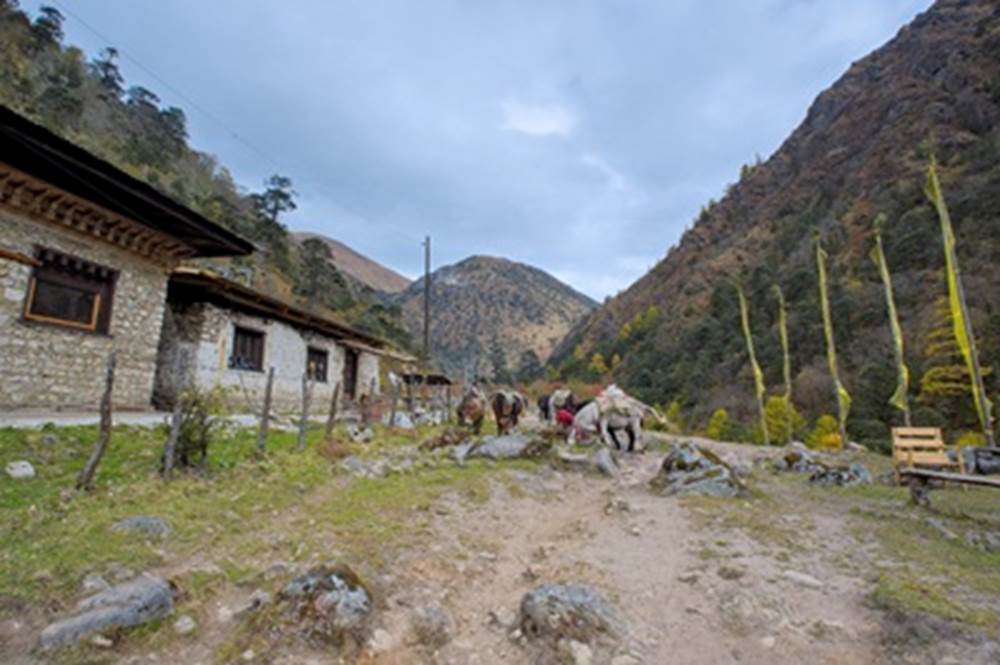
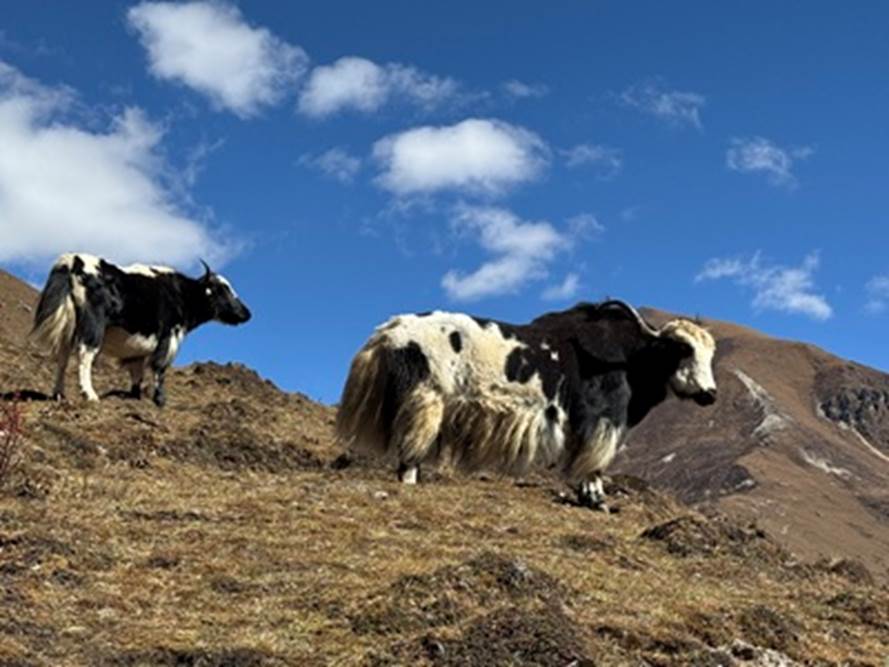
Continue upstream through alpine meadows, passing an army checkpoint and the settlements of Soe, Takethang and Dangochang. Along the way, yak pastures and herders’ homes offer glimpses of life in this remote landscape, while snow-covered ridges draw closer with every step.
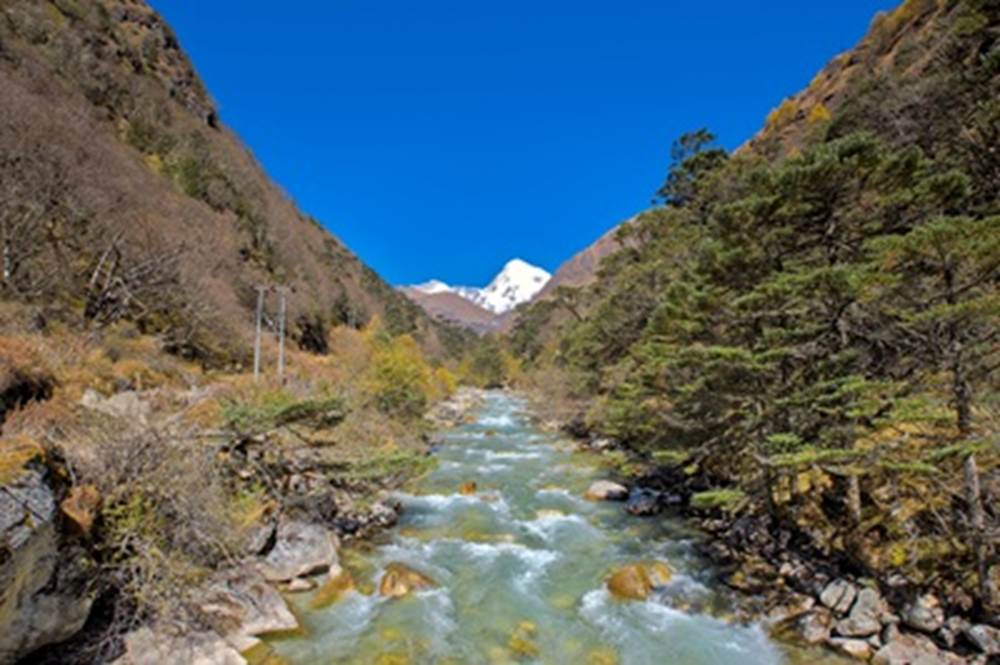
Arrive at Jangothang and settle into camp with views of Jomolhari when the weather allows. Put down your backpack, enjoy a warm meal and watch the changing light on the mountain—a moment to appreciate the landscape you’ve travelled so far to reach.
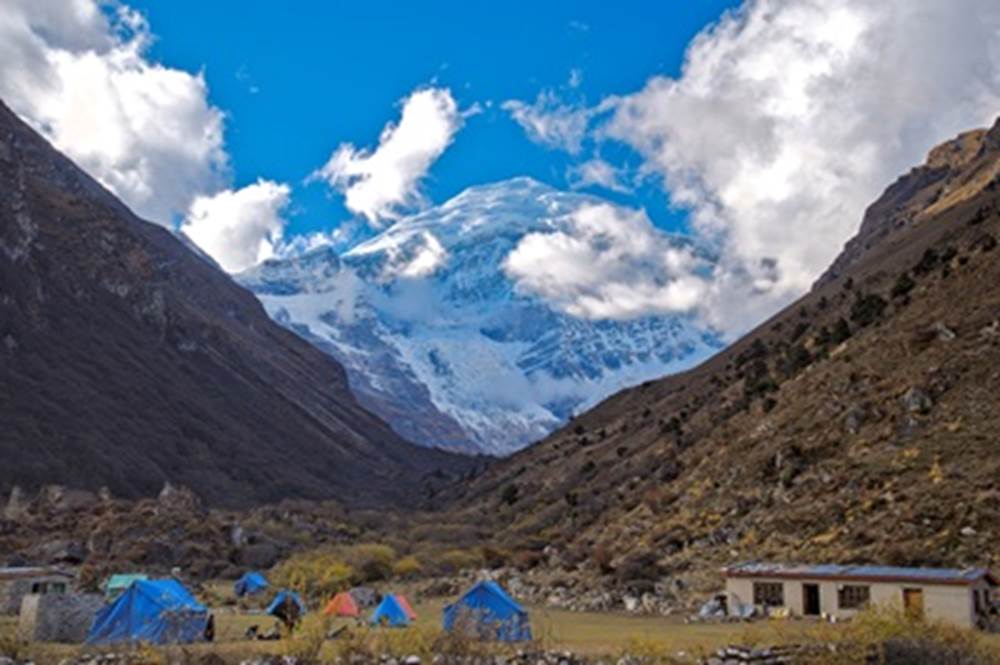
Join your guide for an acclimatisation walk through the surrounding valley or towards a nearby viewpoint. Pause to photograph the mountain scenery and notice the details of the highlands, from alpine vegetation to the changing colours of the slopes.
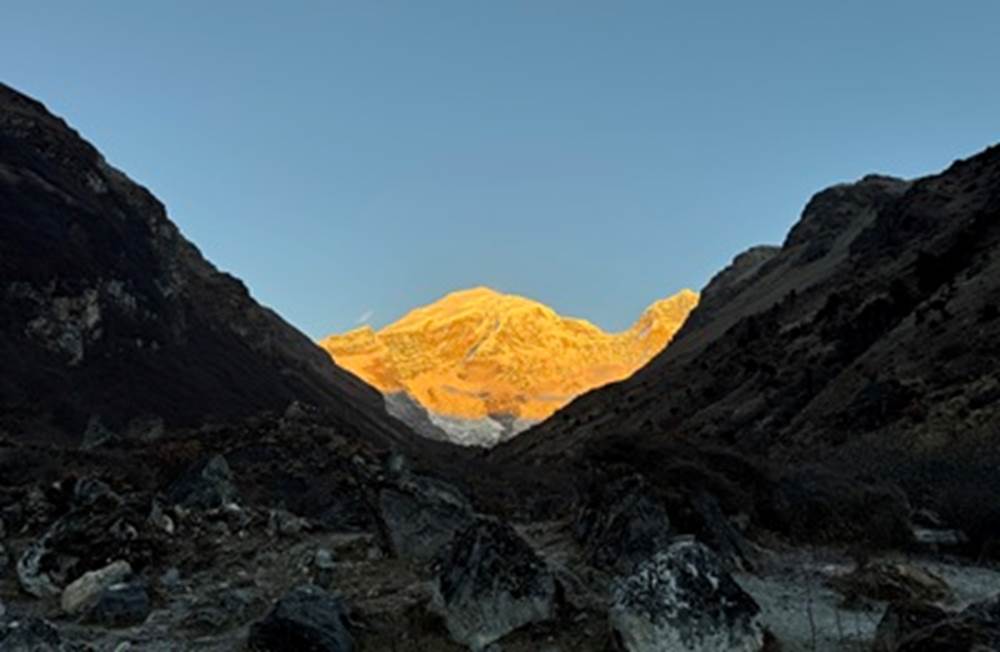
Explore a suitable trail for views towards Jichu Drakye, which rises to the north of Jangothang. Keep an eye out for blue sheep on the upper slopes. Your guide will recommend a route according to the weather, trail conditions and how you are feeling.
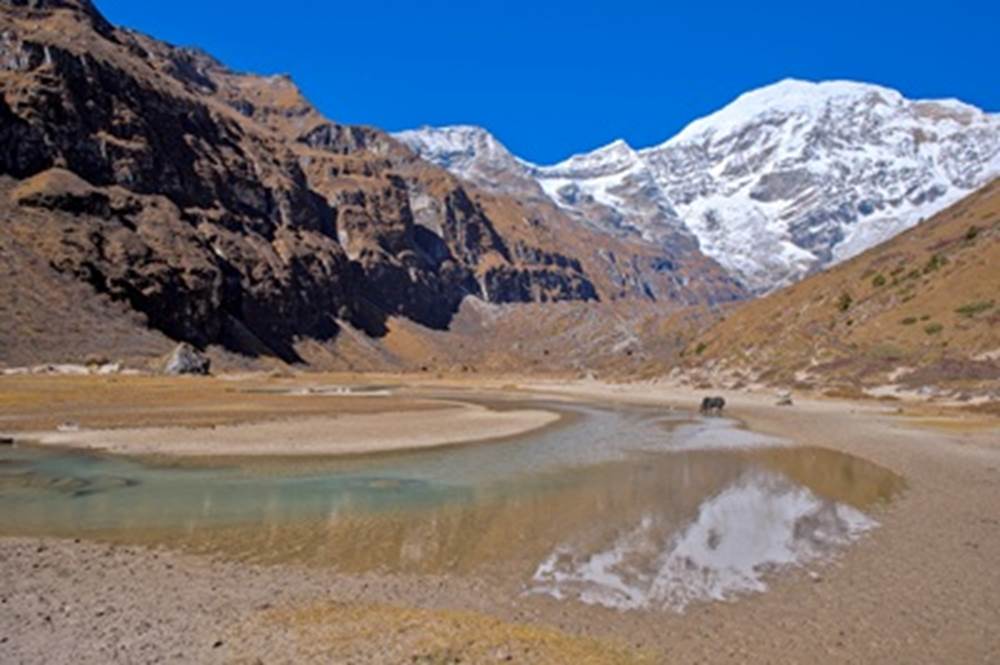
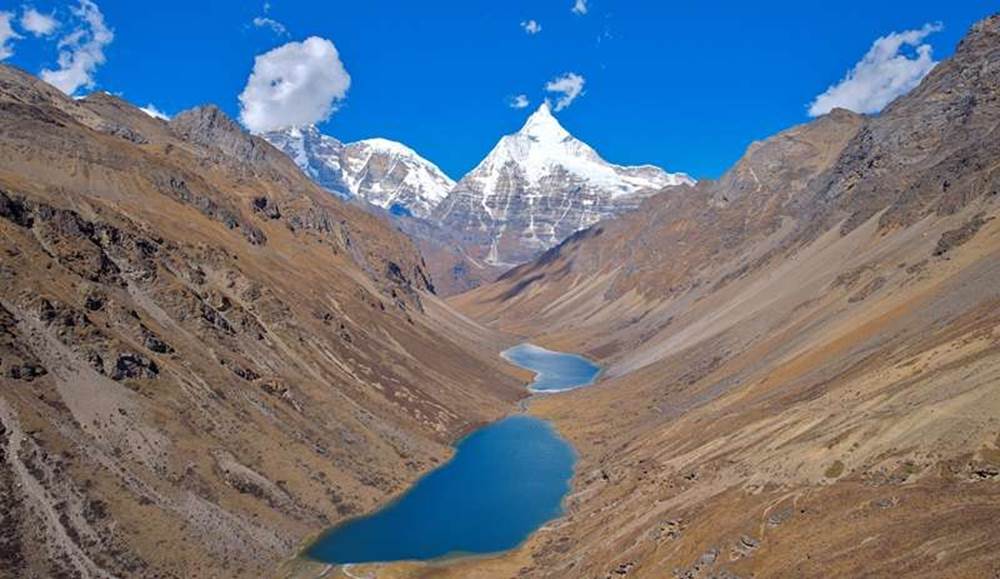
Set off early, passing the valley’s last settlement before descending towards the Paro Chhu. Continue towards Tshophu Lake at approximately 4,380 m, where open water and rugged mountain slopes create a striking setting for a pause along the trail.
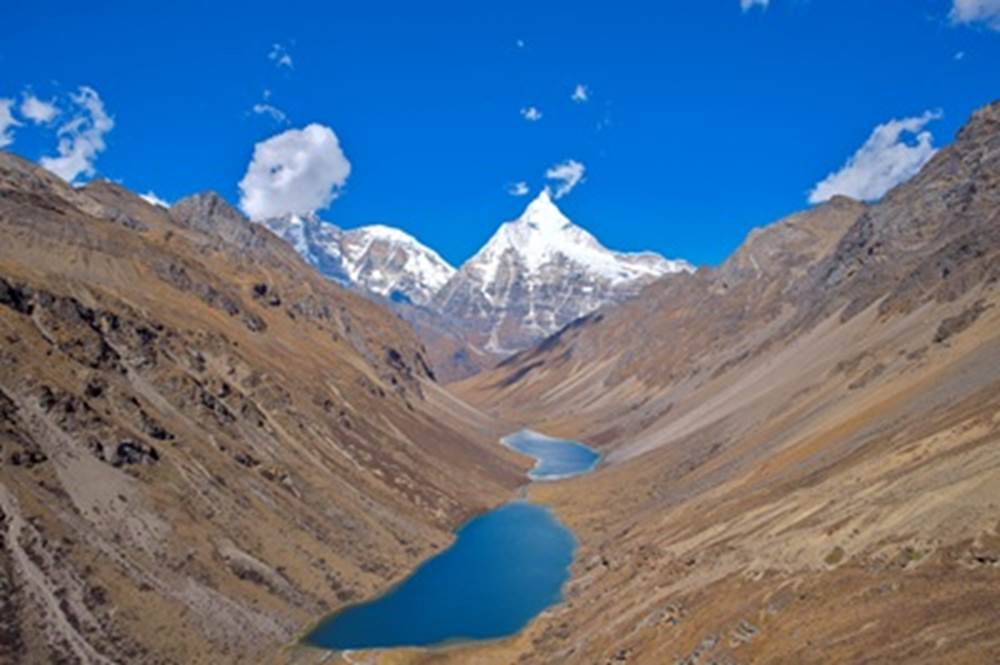
Tackle the steep ascent to Bonte La at 4,890 m. Reaching the highest point of your trek brings a well-earned sense of achievement, with expansive mountain views in clear weather. Take a moment to appreciate the landscape before beginning the long descent.
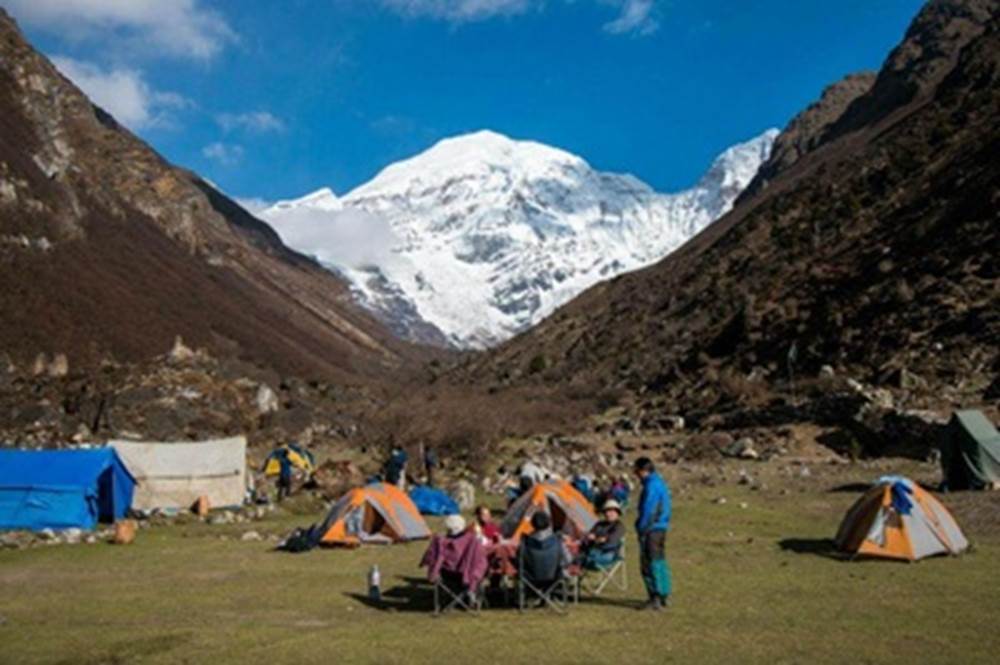
Follow the trail down towards the Dhumzo Chhu, then walk downstream past the scattered homes of Soi Yaksa, also known as Dhumzo. Settle into camp beneath the valley’s rocky slopes and enjoy a welcome evening of rest.
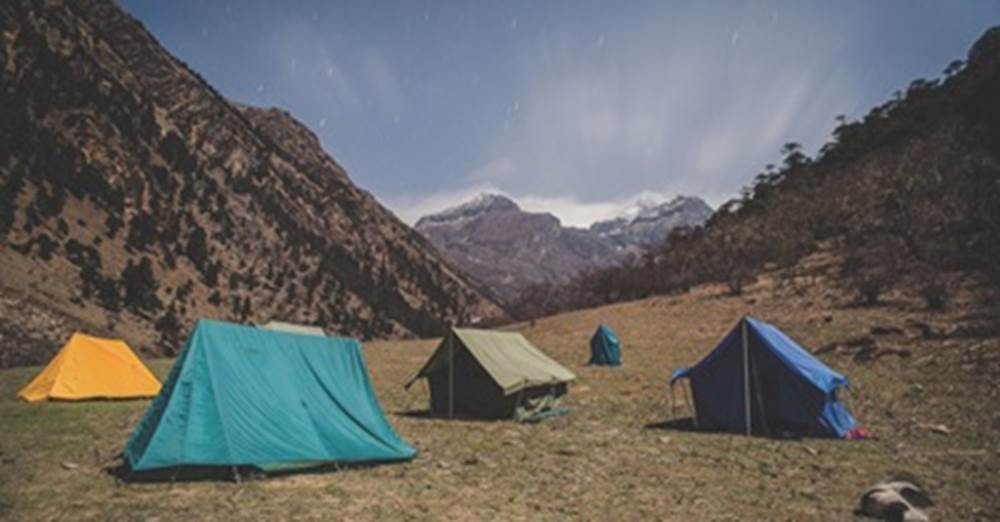
Begin with a climb of approximately 100 m over a ridge before dropping towards a stream. Continue through the changing mountain landscape, enjoying new perspectives across the valleys as the trail rises towards the pass.
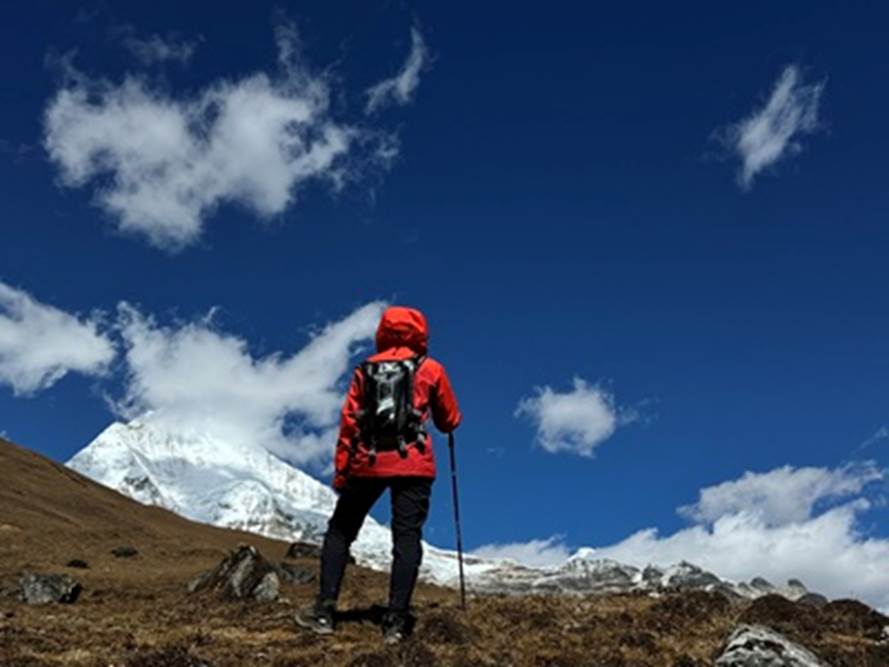
Reach Takhung La at 4,520 m and pause to take in the surrounding ridgelines. From here, descend towards Thombu Shong, where open grazing grounds and yak herders’ huts mark your arrival.
[Distance 22 km, 7-8 hours, 770 m ascent, 10 m descent, camp altitude 3,610 m] On this long day, the trail continues with lots of small ups and downs. After going uphill through the river valley, the valley finally narrows gradually to a mere path that descends to a meadow where a camp will be set up. From here, if weather permits, you will have the first great view of Mt. Jomolhari.