11 Days Soi Yaksa Trek
Overview
Day by day itinerary
View route map ↗Day 1 Arrival in Paro & Transfer to Thimphu
Arrive at Paro International Airport, where your guide will welcome you before a scenic drive to Thimphu, Bhutan's capital. Enjoy your first glimpse of Bhutan's beautiful valleys, traditional villages and colourful prayer flags. Depending on your arrival time, explore the city and visit some of its iconic landmarks.
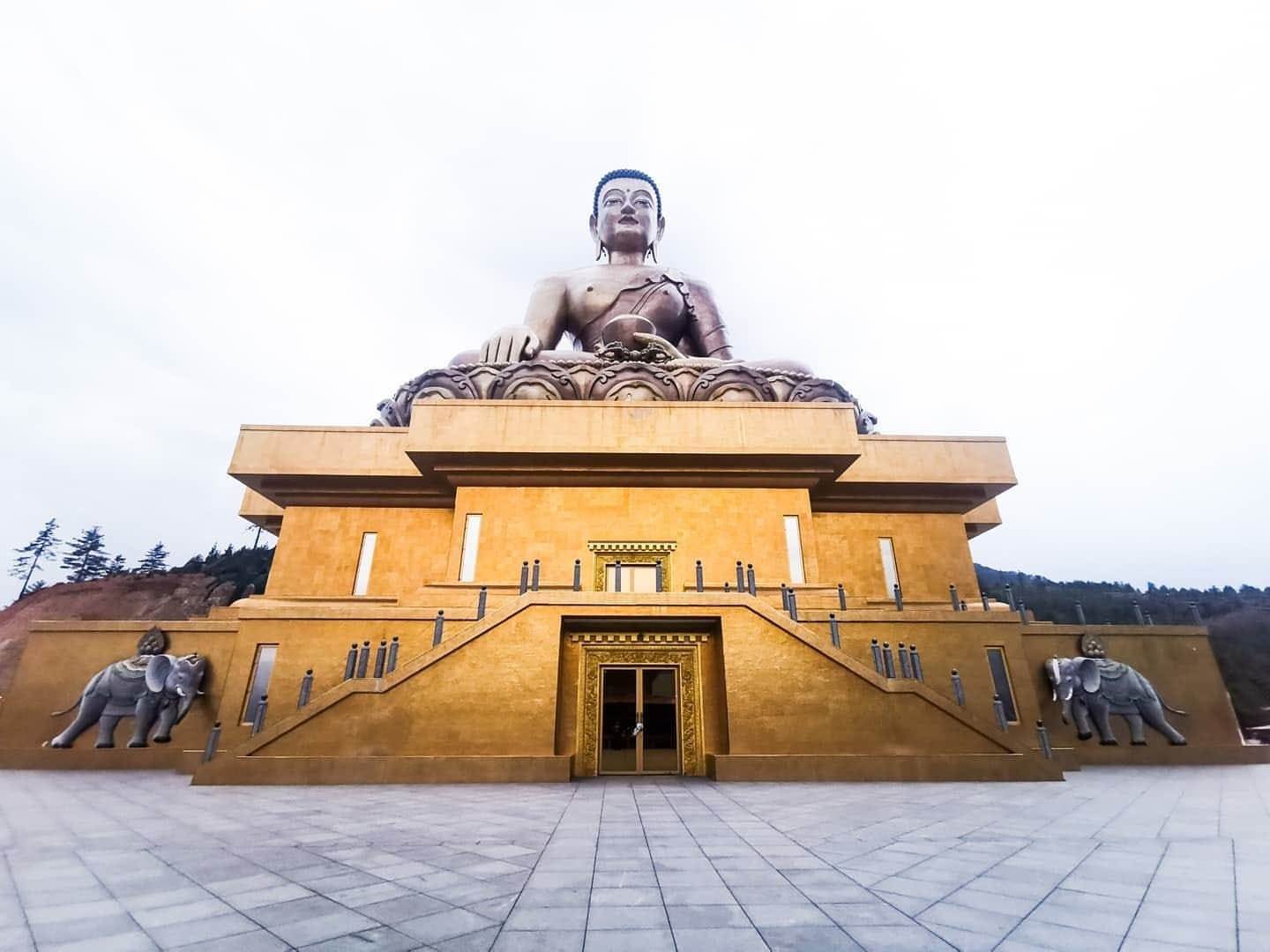
Towering above Thimphu Valley from the tranquil Kuenselphodrang Nature Park, the majestic Buddha Dordenma is a sight to behold. Standing at a staggering 51.5 metres, this golden statue is one of the largest seated Buddhas in the world—and it’s not just its size that impresses. Nestled inside are over 100,000 smaller Buddha statues, each crafted with the same devotion and detail. More than a monument, the Buddha Dordenma is a symbol of indestructibility and spiritual awakening, believed to bless the land with peace and harmony.
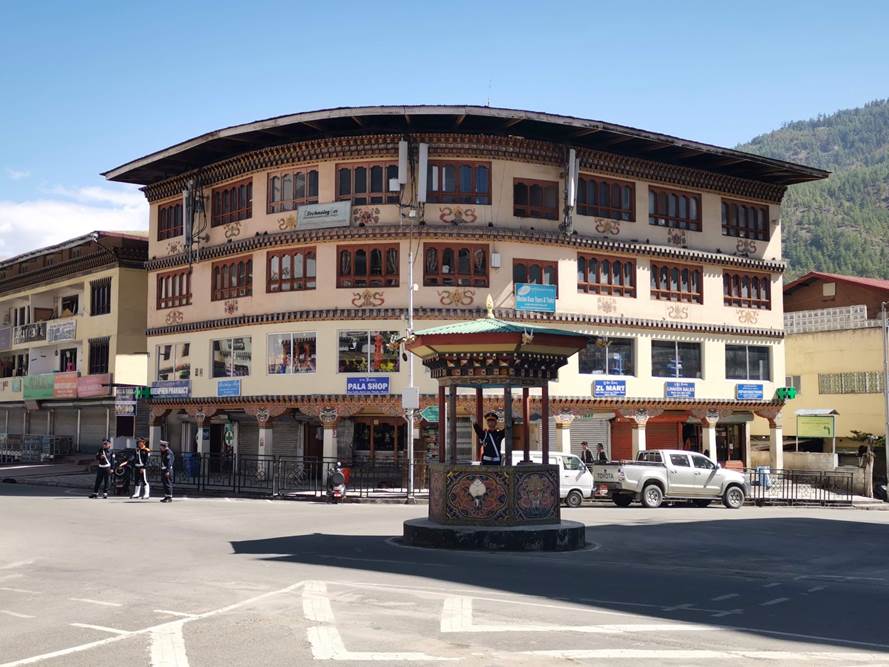
Strolling around Thimphu town offers a delightful blend of tradition and modern life in Bhutan’s capital. Start at Clock Tower Square, the lively heart of the city—adorned with carved wooden façades, prayer wheels, and water fountains—and a charming spot to linger while locals chat or browse the weekend market. From here, wander down Norzin Lam, Thimphu’s main street, where boutique shops, handicraft stores, and cafés invite you in. Along the way, admire traditional architecture—ornate wood carvings, colourful murals, and fluttering prayer flags—woven seamlessly into everyday life.
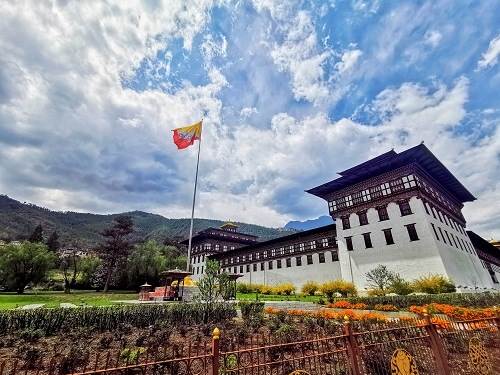
Tashichho Dzong, meaning “Fortress of the Glorious Religion,” is one of Bhutan’s most iconic landmarks. Located along the banks of the Wang Chhu River in Thimphu, it serves as the seat of Bhutan’s government and houses the Throne Room, the offices of His Majesty the King, and several key ministries. It’s also the summer residence of the central monastic body, led by the Je Khenpo. With its imposing whitewashed walls, golden spires, and ornately painted woodwork, Tashichho Dzong is a striking example of Bhutanese architecture. The surrounding gardens and courtyards offer a serene setting, especially when lit up in the evening. Visitors are welcome to explore certain areas of the dzong after office hours, making it not just a centre of political and religious life, but also a window into the living heritage of Bhutan.
Day 2 Explore Thimphu
Spend the day exploring Bhutan's charming capital, where ancient traditions meet modern life. Visit the magnificent Buddha Dordenma, experience local Buddhist traditions at the National Memorial Chorten and discover Bhutan's unique national animal at the Takin Preserve. End the day exploring the impressive Tashichho Dzong.
Towering above Thimphu Valley from the tranquil Kuenselphodrang Nature Park, the majestic Buddha Dordenma is a sight to behold. Standing at a staggering 51.5 metres, this golden statue is one of the largest seated Buddhas in the world—and it’s not just its size that impresses. Nestled inside are over 100,000 smaller Buddha statues, each crafted with the same devotion and detail. More than a monument, the Buddha Dordenma is a symbol of indestructibility and spiritual awakening, believed to bless the land with peace and harmony.
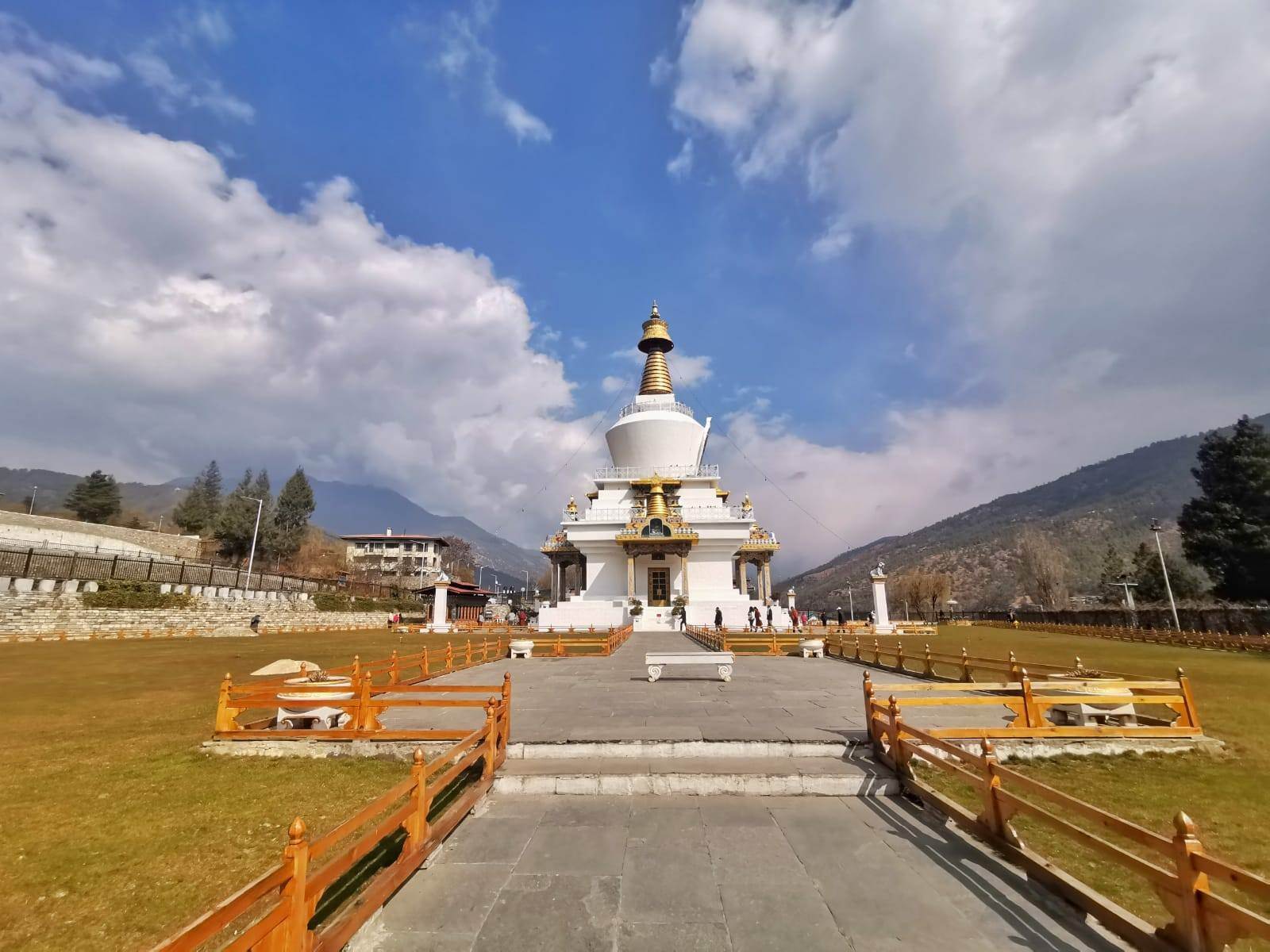
Immerse yourself in the spiritual rhythm of Thimphu with a visit to the National Memorial Chorten, where locals—especially the elderly—gather daily to walk in prayerful circles, spinning prayer wheels and murmuring mantras in a peaceful flow of devotion. Built in 1974 to honour the beloved Third King, this white-washed stupa is a living sanctuary. Step inside and you’ll find vibrant murals, intricate mandalas, and detailed sculptures that beautifully illustrate Buddhist teachings. If you're seeking serenity or a glimpse into Bhutanese spiritual life, this is a place that quietly leaves a lasting impression.
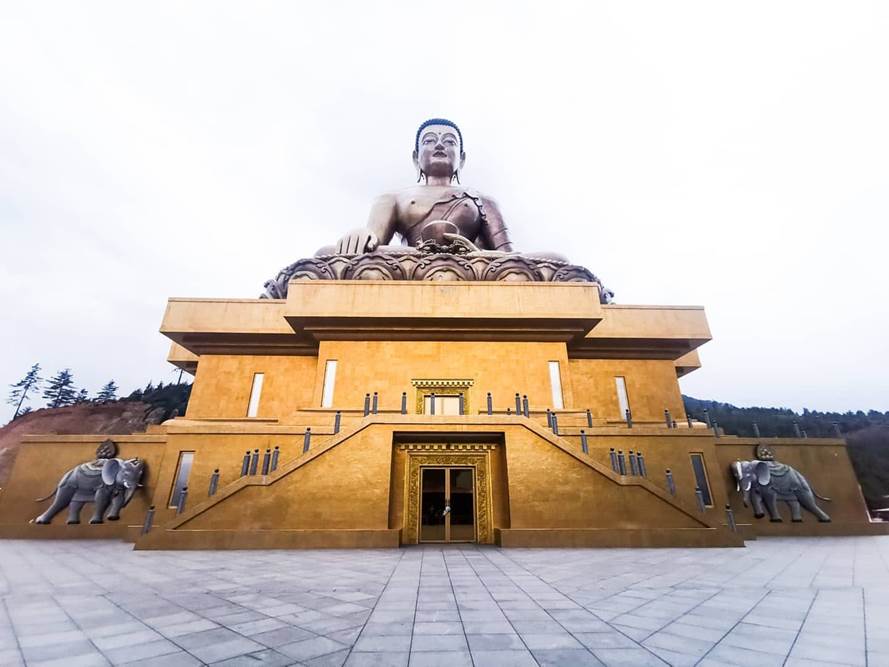
This is a relaxed nature excursion in Thimphu, perfect for taking in Bhutan’s spiritual and natural beauty at an easy pace. You'll drive up to Kuenselphodrang Nature Park, home to the majestic Great Buddha Dordenma—the world’s largest seated Buddha, towering at 169 feet. Crafted from bronze and gilded in gold, the statue depicts Buddha Shakyamuni and sits atop a massive meditation hall nestled within its throne. Prophesied as early as the 8th century A.D., this monumental statue is believed to radiate peace, blessings, and happiness across the world. Surrounded by serene walking trails and sweeping views of Thimphu Valley, this experience offers both spiritual inspiration and a refreshing connection to nature.
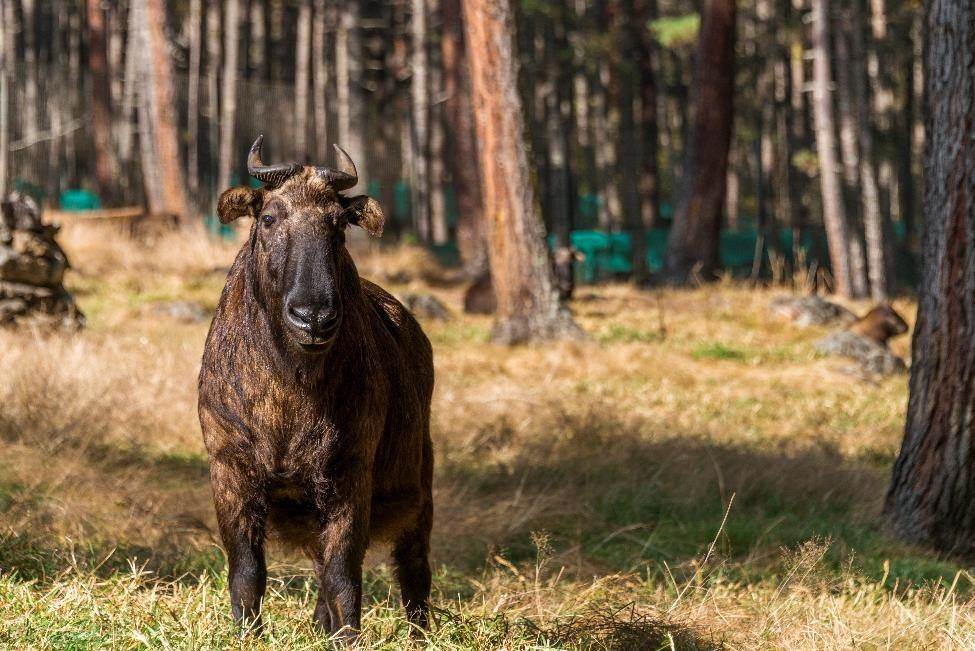
Visiting the Motithang Takin Preserve in Thimphu is a delightful and serene experience—it’s the national animal’s very own sanctuary, nestled just 15–20 minutes from the city centre. What began as a humble mini-zoo became something far more fitting: a forested 3.4-hectare reserve where takin, Bhutan’s unique goat–cow creatures, have chosen to stay even when released into the wild. It’s a charming, low-key wildlife encounter that captures Bhutan’s gentle spirit—perfect for families, nature lovers, and anyone curious about the country’s living symbols.
Day 3 Thimphu to Paro
Travel back to the picturesque Paro Valley and discover some of Bhutan's most treasured historical landmarks. Visit the sacred Kyichu Lhakhang, admire the traditional architecture of Rinpung Dzong and explore Bhutan's rich heritage at the National Museum. Spend the afternoon preparing for your upcoming Himalayan trek.
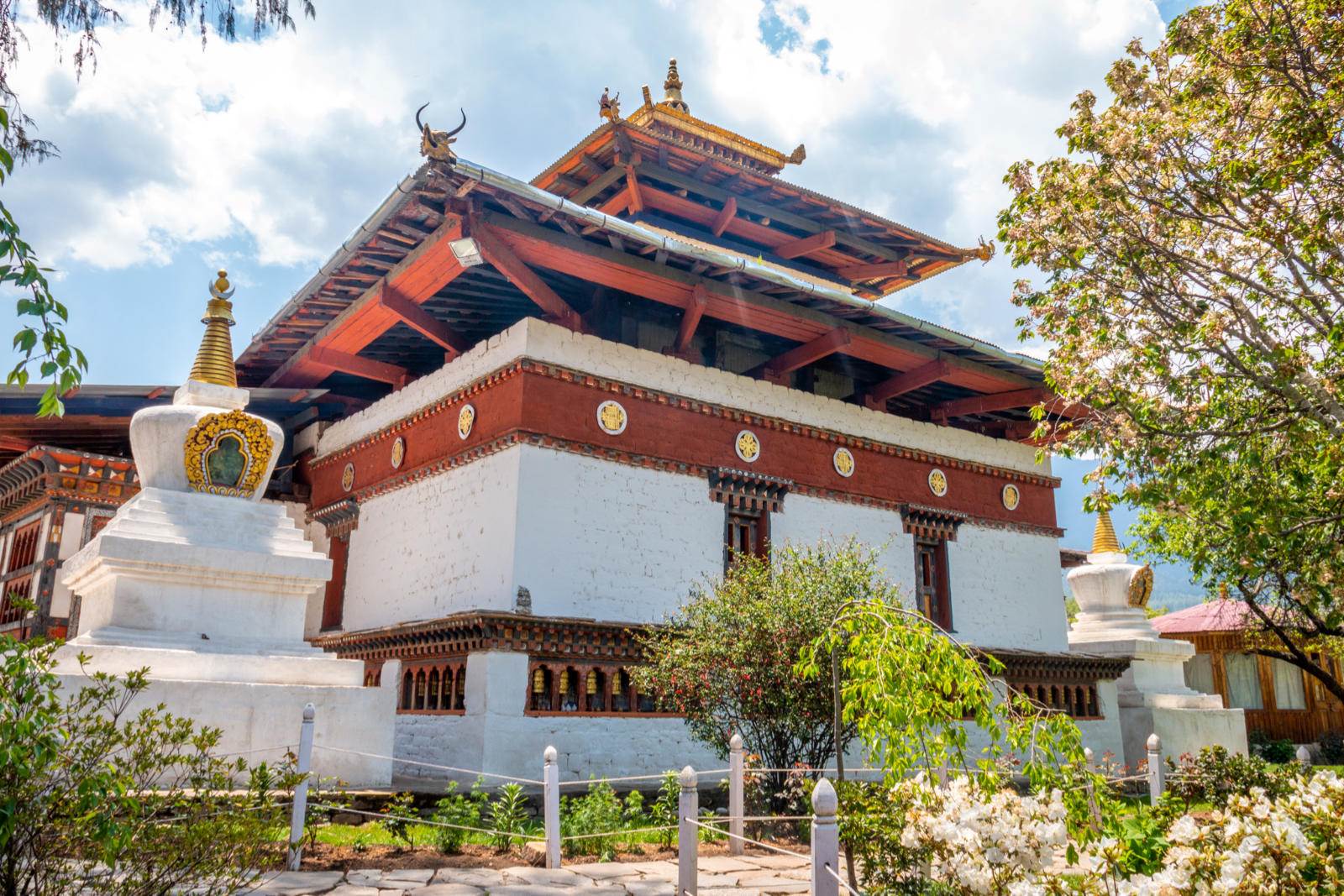
At 1300 years old, Kyichu Lhakhang is one of Bhutan’s oldest and most sacred temples, believed to have been built in the 7th century by Tibetan Emperor Songtsen Gampo as part of a spiritual mission to subdue a demoness and spread Buddhism. Located just north of Paro, it is often referred to as the “Sacred Jewel of Bhutan.” Over the centuries, the temple has been expanded and visited by many great masters, including Padmasambhava. It's a peaceful and deeply spiritual place, cherished by pilgrims and visitors alike.
-961.jpg)
Paro Dzong—also known as Rinpung Dzong, or the “Fortress of a Heap of Jewels”—is a spectacular hilltop monastery-fortress overlooking the Paro River and valley. Built in 1646 on an earlier temple site, it remains one of the finest examples of Bhutanese architecture, with soaring wooden beams, an iconic cantilever bridge and numerous shrines and chapels inside. It has served both as a defensive stronghold against Tibetan invasions and as the administrative and monastic centre for Paro district. Today it’s still home to around 200 monks, hosts the colourful Paro Tsechu festival, and offers visitors a serene yet awe-inspiring glimpse into Bhutan’s spiritual and cultural heritage.
-854.jpg)
Perched above Paro Dzong, Ta Dzong is a striking circular fortress that now houses Bhutan’s National Museum. Originally built in 1649 as a watchtower to guard the valley, it was transformed into a museum in 1968 under the initiative of King Jigme Dorji Wangchuck. The museum showcases over 3,000 artefacts spanning more than 1,500 years of Bhutanese history, including ancient weapons, royal heirlooms, religious relics, textiles, and natural history displays. The architecture itself is remarkable, constructed without the use of nails and featuring thick stone-and-wood walls. With panoramic views over Paro Valley, a visit to Ta Dzong offers a rich and immersive journey through Bhutan’s cultural and spiritual heritage.
Day 4 Tiger's Nest Monastery Hike
Embark on an unforgettable hike to Tiger's Nest Monastery, perched dramatically on a cliff approximately 900 metres above the Paro Valley. Follow forested trails decorated with prayer flags and enjoy spectacular mountain views before reaching this sacred Buddhist monastery. Return to Paro for a relaxing evening before your trekking adventure begins.
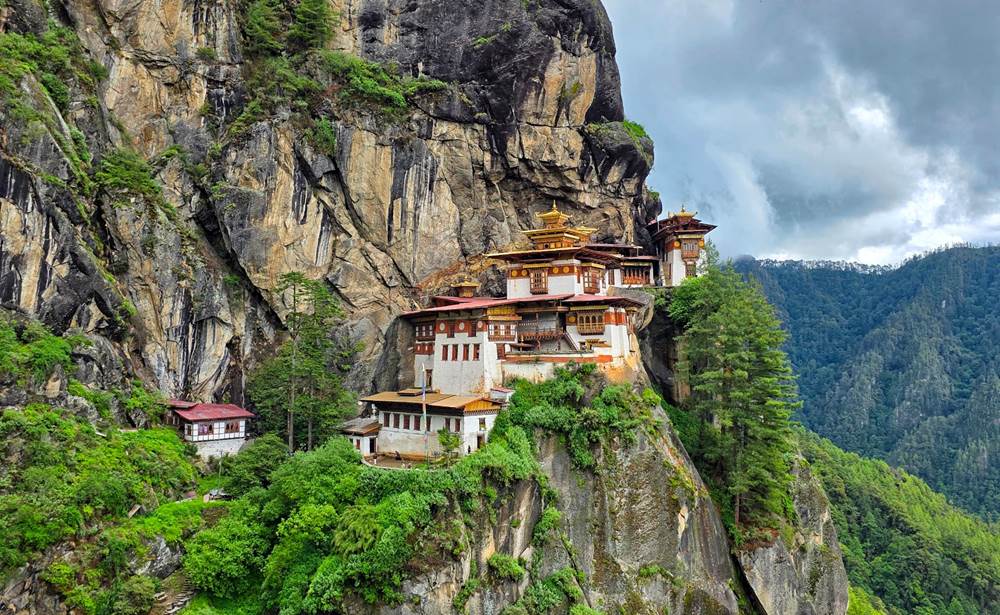
They say, "a visit to Bhutan is not complete without climbing up to the Tiger's Nest". Taktsang Monastery, famously known as the Tiger’s Nest, is Bhutan’s most iconic landmark, dramatically perched on a cliffside 3,120 metres above sea level in Paro Valley. According to legend, Guru Padmasambhava flew to this site in the 8th century on the back of a tigress and meditated in a cave that now lies at the heart of the monastery. Built in 1692, the complex includes temples, meditation caves, and stunning viewpoints that seem to defy gravity. Reaching the monastery involves a scenic 2–3 hour hike through pine forests and fluttering prayer flags—a spiritual and physical journey that rewards you with breathtaking views and deep serenity.
Himalayan Forest Trails
Day 5 Shana to Thangthangkha
Drive to Shana, the starting point of your trek, and begin your journey along the beautiful Paro Chhu River. Walk through pristine forests of pine, oak and rhododendron, surrounded by rushing streams and peaceful mountain scenery. Arrive at Thangthangkha for your first night of camping beneath the Himalayas.
-703.jpg)
Paro Chhu, also known as the Paro River, flows gracefully through the heart of Paro Valley, fed by the glacier waters of Mount Chomolhari. Its clear, fast-moving currents nourish fertile rice fields, fruit orchards, and vibrant ecosystems along its banks. The river is not only vital to agriculture but also popular for fly-fishing and adventure sports, with sections offering kayaking and exciting rapids. Iconic sights like Paro Dzong and traditional wooden bridges rise along its course, adding to the river’s serene beauty and cultural significance. As it winds its way to meet the Wong Chhu at Chhuzom, the Paro Chhu weaves together nature, tradition, and daily life in Bhutan. The bridge provided the backdrop for scenes in the feature films, Little Buddha and Travellers and Magicians.
Himalayan Forest Trails
Mountain Landscapes Trekking
Day 6 Thangthangkha to Jangothang
Continue ascending through beautiful alpine valleys as the landscape opens up to reveal spectacular Himalayan peaks. Pass traditional yak-herding settlements and enjoy breathtaking views of Mount Jomolhari (7,315 m). Arrive at Jangothang, one of Bhutan's most scenic high-altitude campsites.
Mount Jomolhari
Alpine Meadows
Traditional Yak-Herding Communities
Jangothang Base Camp
Day 7 Jangothang Acclimatisation Day
Spend the day acclimatising at Jangothang, surrounded by towering Himalayan peaks. Enjoy an optional hike to nearby viewpoints offering magnificent views of Mount Jomolhari and Jichu Drakye. This important rest day allows your body to adjust to the altitude before crossing the high mountain passes ahead.
Mount Jomolhari
Jichu Drakye
Day 8 Jangothang to Soi Yaksa via Bonte La Pass
Experience one of the most rewarding days of your adventure as you ascend to Bonte La Pass at 4,890 metres, the highest point of the trek. Take in spectacular panoramic views of the surrounding Himalayan peaks before descending into the beautiful Soi Yaksa Valley, known for its dramatic cliffs, waterfalls and alpine pastures.
-13.jpg)
[Distance 16 km, six to seven hours, 810m ascent, 1,090 m descent, camp altitude 3,800 m] The trail leads to a last settlement in the valley and drops to the Paro Chhu. Passing the lake of Tshophu (4,380 m) you will climb steeply to Bhonte La pass at 4,890 m, the highest point of this trek route. Reaching the Dhumzo Chhu river, you trek downstream passing the few houses of Soi Yaktsa (Dhumzo) to arrive at your camp soon after.
Camping at Soi Yaksa
Day 9 Soi Yaksa to Thombu Shong
Continue your adventure through remote alpine landscapes as you ascend towards Takhung La Pass. Enjoy sweeping mountain views before descending through peaceful valleys and beautiful forests. Arrive at Thombu Shong for another memorable night camping in Bhutan's pristine wilderness.
-660.jpg)
[Distance 11 km, duration 4-5 hours, 720 m ascent, 340 m descent, camp altitude 4,180 m] The trail climbs 100 m over a ridge to drop to another stream then. After crossing the Takhung La pass (4,520 m) you descent to Thombu Shong, three yak herder huts with your campsite next to them.
You pass the village, and there is a steep and steady climb that takes an hour. The pass has several cairns covered with prayer flag. Climb a bit and you can see the mountains like Jumolhari, Jitchu Drake, etc. Looking back is the pass crossed yesterday and looking the other side is tonight’s campsite. The trail first stays high to the left with some exciting stop off, then winds gently downhill to camp. Thombu camp is the second highest camp for this trek.
Day 10 Thombu Shong to Gunitsawa, Return to Paro
Enjoy your final day of trekking as you descend through beautiful forests and mountain valleys towards Gunitsawa Village. Celebrate completing the Soi Yaksa Trek before returning to Paro by vehicle. Relax at your hotel and enjoy a well-deserved rest after your extraordinary Himalayan journey.
[Distance 22 km, 7-8 hours, 770 m ascent, 10 m descent, camp altitude 3,610 m] On this long day, the trail continues with lots of small ups and downs. After going uphill through the river valley, the valley finally narrows gradually to a mere path that descends to a meadow where a camp will be set up. From here, if weather permits, you will have the first great view of Mt. Jomolhari.
Day 11 Departure from Paro
After breakfast, transfer to Paro International Airport for your departure flight. Take home unforgettable memories of Bhutan's sacred monasteries, breathtaking Himalayan landscapes and the incredible achievement of completing the Soi Yaksa Trek.
What's included
- Guided tour
- Visas for Bhutan
- Airport transfers
- Daily 3 meals (B/L/D) at designated restaurants or hotels
- Accommodation at 3 star hotel
- A qualified & licensed English-speaking guide
- An experienced driver
- A tour vehicle
- Entry fees & road permits
- Government fee, royalty, taxes & surcharges
- Mineral bottled water
- Set of traditional costume (to be returned at the end of your stay)
- Full service & assistance before, during and after your Bhutan trip
- Flight into Bhutan via Drukair (can be arranged with us)
- Flight on other airline to catch Drukair flight
- Meals at 4-5 star restaurants
- Hotel stay outside of Bhutan
- Expenditure of personal nature
- Travel insurance (can be arranged with us)
- Tips for the guide and driver
- Alcoholic drinks
Bhutan's leading travel specialist.
We're Bhutan's largest tour operator and leading travel specialist with more than a decade of experience, creating personalised, authentic and immersive journeys for travellers all around the world.